

Promising More Information
When NASA needed a real-time, online database system capable of tracking documentation changes in its propulsion test facilities, engineers at Stennis Space Center joined with ECT International, of Brookfield, Wisconsin, to create a solution. Through NASA's Dual-Use Program, ECT developed Exdata, a software program that works within the company's existing Promis•e® software. Exdata not only satisfied NASA's requirements, but also expanded ECT's commercial product line.
Promis•e, ECT's primary product, is an intelligent software program with specialized functions for designing and documenting electrical control systems. An add-on to AutoCAD® software, Promis•e generates control system schematics, panel layouts, bills of material, wire lists, and terminal plans. The drawing functions include symbol libraries, macros, and automatic line breaking. Primary Promis•e customers include manufacturing companies, utilities, and other organizations with complex processes to control.
NASA uses Promis•e to create drawings and schematics at several Stennis test facilities. These facilities test the Space Shuttle main engines, rocket propulsion systems, and related rocket engine components, with each test typically having different measurement and control system requirements. As a result, modifications need to be made to accommodate changing test articles and data requirements. Since the Promis•e software was limited to 120 storage values with every schematic symbol, NASA needed increased values to accurately and efficiently document all of the measurements, control system changes, upgrades, and data associated with each test.
In response to Stennis' need, ECT developed Exdata, an external database program that expands storage capability, automates the design process, and reduces turnaround time for test requirements. The program links a Promis•e schematic symbol with a second Microsoft® Access database file. This second external file greatly increases the amount of information available to a user, and allows direct access for adding additional data, structure, and programming. Changes to the data can be made either in the database or on the drawing.
After collaborating with Stennis, ECT now sells Exdata as a part of its product family. Exdata's main benefit allows customization of data storage and display. By creating custom forms in Access, users can manipulate and display the information most important to them. For example, Exdata keeps maintenance information on a device to determine hours of usage and when the next scheduled maintenance is required.
The level of customization that someone can achieve with Exdata is only limited by the functionality in Access and the persons own ability to apply that function. With this type of control, ECTs Promise and Exdata software products are leading the way for faster, more efficient design solutions.
Promise® is a registered trademark of ECT International.
AutoCAD® is a registered trademark of Autodesk, Inc.
Microsoft® is a registered trademark of Microsoft Corporation.

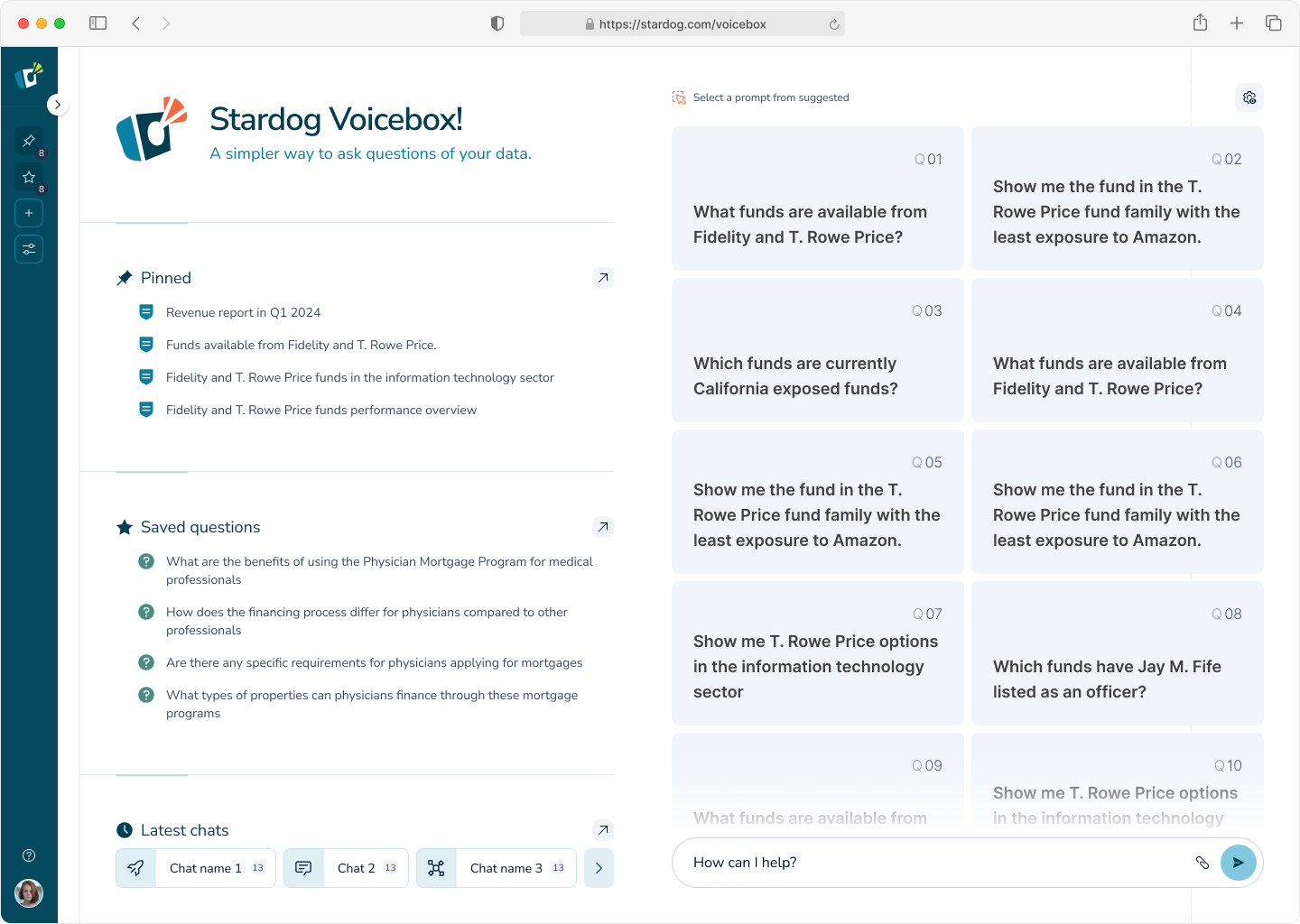
Exdata software links devices in electrical drawing files to additional information stored in an external database. These data can be displayed in a user-friendly, graphical format using database forms.