

Data Analysis Goes to the Dogs
Subheadline
Knowledge graphs originally designed for NASA help make unseen connections
Analyzing huge amounts of data can be tough work. Computers can help in this process, but a computer lacks a key human component — intuition. Stardog Union is a company that specializes in using artificial intelligence (AI) to tackle data analysis, and the company’s path to the market has been intertwined with NASA.
“We’ve been partnering continuously with NASA since 2006,” said Kendall Clark, cofounder of Stardog. “In fact, the first thing we did as a company was build a system for NASA.”
In the mid-2000s, Clark and his cofounders were working in the artificial intelligence lab at the University of Maryland when they were approached by the chief information officer of NASA Headquarters in Washington to create a solution for the agency.
In the wake of the space shuttle Columbia accident, NASA needed a way to find specific expertise among its workforce to report issues and solve problems that arise, and it needed database insights to quickly identify the right expert for each question.
“It’s a needle-in-the-haystack problem, which means it’s a data integration problem,” said Clark. “Each data source was a piece of that puzzle.”
To solve this puzzle, the team built a form of AI called a knowledge graph. Knowledge graphs work by comparing sets of data and forming patterns between them, then telling the users what the important links are. This work resulted in a system called People, Organizations, Products, and Skills (POPS), which could find any expert at NASA by referencing the knowledge graph built on information about the agency’s workforce. Clark’s company was founded that same year. Although the company was originally called “Clark and Parsia” after the founders’ last names, the software it developed out of POPS was nicknamed Stardog, which became the name of the Arlington, Virginia-based company in 2016.
“A picture of an astronaut dog is good for branding,” said Clark. “But it’s a kind of quiet homage to our NASA background.”
While Stardog’s software is still based on knowledge graphs, the advent of generative AI has boosted the company’s portfolio of services, enabling a chat function that lets users ask direct questions about the data they’ve unleashed Stardog on. Unlike the AI chat programs from big companies that consumers use every day, which are trained on all the content their creators can find on the internet, Stardog’s system only looks at what’s local to the databases being examined. This makes Stardog’s AI “hallucination-free” and trusted to explain its data analysis. Today, Stardog is widely used across several industries to gain insights by making connections in data, and Clark says he owes it all to NASA.
“The platform we now sell to banks, manufacturers, and pharmaceutical producers globally is the grownup version of that thing we built in 2006 with NASA.”
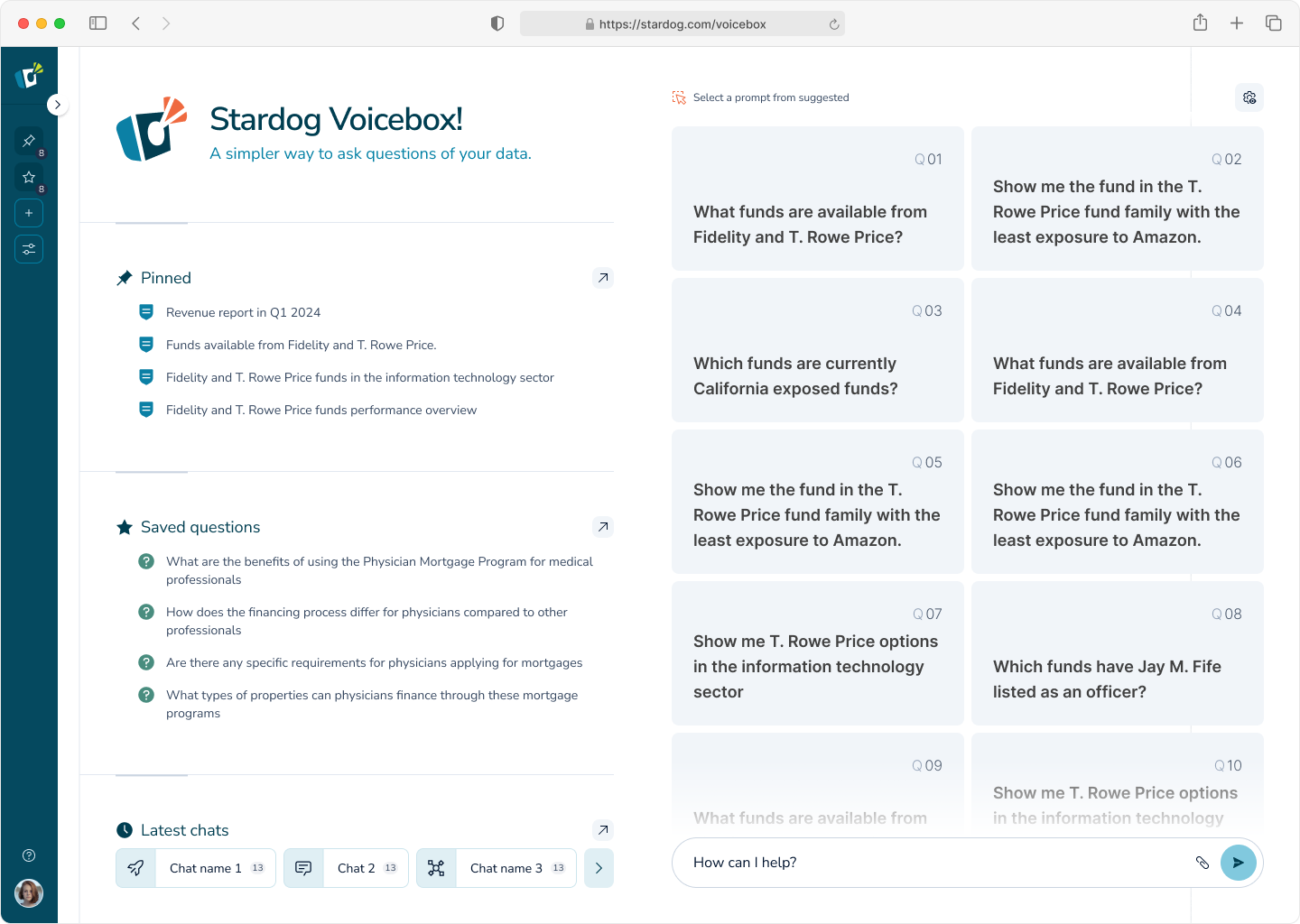
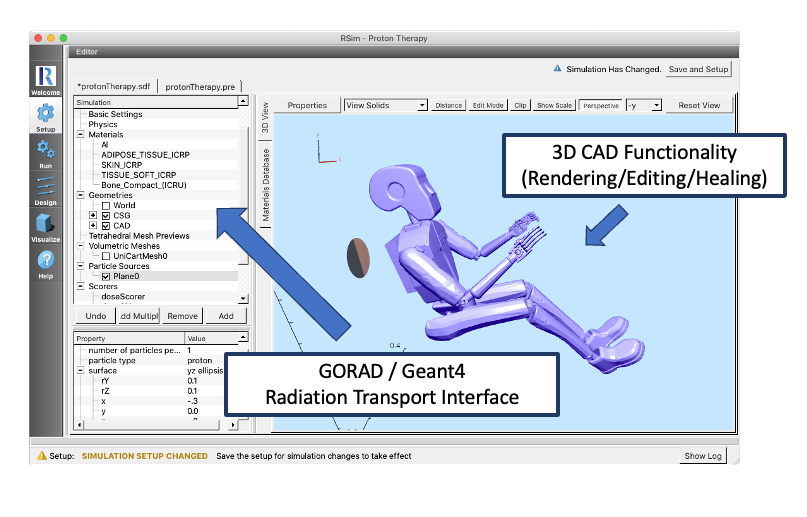
Stardog’s Voicebox software is a knowledge graph, paired with a generative AI chat client that allows users to ask questions directly to their data. The company’s software can trace a direct lineage to work done for NASA Headquarters. Credit: Stardog Union
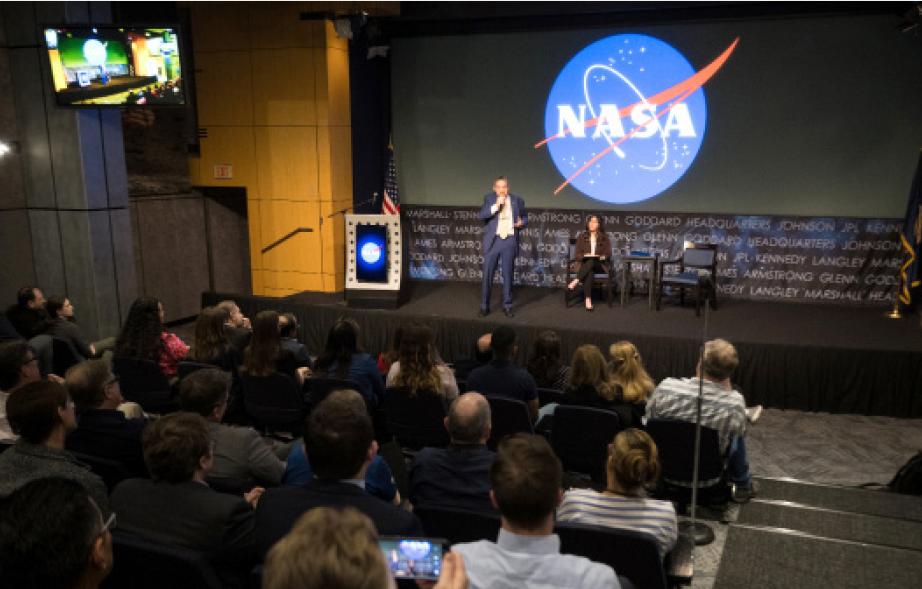
NASA’s workforce of several thousand civil servants and contractors forms one of the largest knowledge bases in government. A knowledge graph helped NASA ensure the right people could be asked the right questions. Credit: NASA