

Probe Deeper with Better Receivers
Subheadline
Software-defined radios give adaptability to satellite operators
When sending probes to deep space, adaptability is the name of the game.
The communications radios aboard spacecraft must be reliable and reconfigurable. In 2023, when Voyager 1 was sending back garbled data, NASA engineers were able to upload a fix to the computer more than 40 years after it was originally launched because its processors were so flexible.
Technology has advanced considerably since the 1970s, and the future of satellite communications might come from a company that cut its space technology chops on everything from spacecraft witnessing asteroid impacts to a high-tech coffee maker.
Argotec Group, based in Turin, Italy, with offices in Melbourne, Florida, is no stranger to manufacturing specialized hardware for space exploration. Its LICIACube and ArgoMoon satellites were used to document critical stages in the Artemis I and Double Asteroid Redirection Test missions. After building an espresso machine that would function in the weightless environment aboard the International Space Station, the ISSPresso, the company shifted its primary business to small satellites and the components that enable their operations. In search of high-quality communication devices, Argotec went to NASA’s Jet Propulsion Laboratory in Southern California, which had been making advancements in space radios.
JPL manages the Deep Space Network, which communicates with NASA spacecraft beyond Earth orbit. While the network’s three ground stations provide substantial “ears” for listening to deep signals, the spacecraft need powerful radios too, for transmitting back to Earth. Among the most recent is the Universal Space Transponder (UST), developed in 2017 for future missions to Mars. As smaller spacecraft are sent further into space, even smaller high-quality radios are needed, leading to a new JPL project: UST-Lite.
While much smaller than JPL’s prior work, the UST-Lite transponder is more capable than other radios its size. An important aspect of these radios is that they are “software-defined,” meaning they can be reconfigured on the fly, with all aspects of the technology adjustable through use of a field-programmable gate array processor.
“Where the UST-Lite stands out is that it’s a very flexible platform,” said Dennis Ogbe, signal analysis engineer at JPL’s Reprogrammable Signal Reprocessing Group. “It inherits our software-defined radio capabilities, and it supercharges them in a way that makes it even more flexible.”
UST-Lite’s primary advantage comes from its four radio channels, which let it communicate on multiple wavelengths simultaneously, allowing a higher rate of data transmission from farther away. This, and the ability to remotely adjust it via software, is why Argotec was interested in the technology.
“There’s a real need out there among companies for a radiation-hardened, deep space, multi-frequency, software-defined radio that can support all their requirements in a small package,” said Corbett Hoenninger, U.S. general manager at Argotec.
In 2023, Argotec licensed the UST-Lite radio from JPL and began incorporating it into its product lines. Argotec’s HAWK satellite platform can be integrated with UST-Lite. HAWK forms the backbone of the Italian IRIDE network of Earth-observation satellites, and Argotec is selling the platform to commercial satellite operators. The radio’s configurability means it works well for space communications both near and far from Earth. A standalone version of UST-Lite for non-HAWK spacecraft was released in 2025.
“We designed UST-Lite to be a high-reliability deep space radio,” said Ogbe. “But it’s agile in frequency and configurability. This is a radio that that can be deployed in in low Earth orbit as well, because it’s so flexible and programmable.”
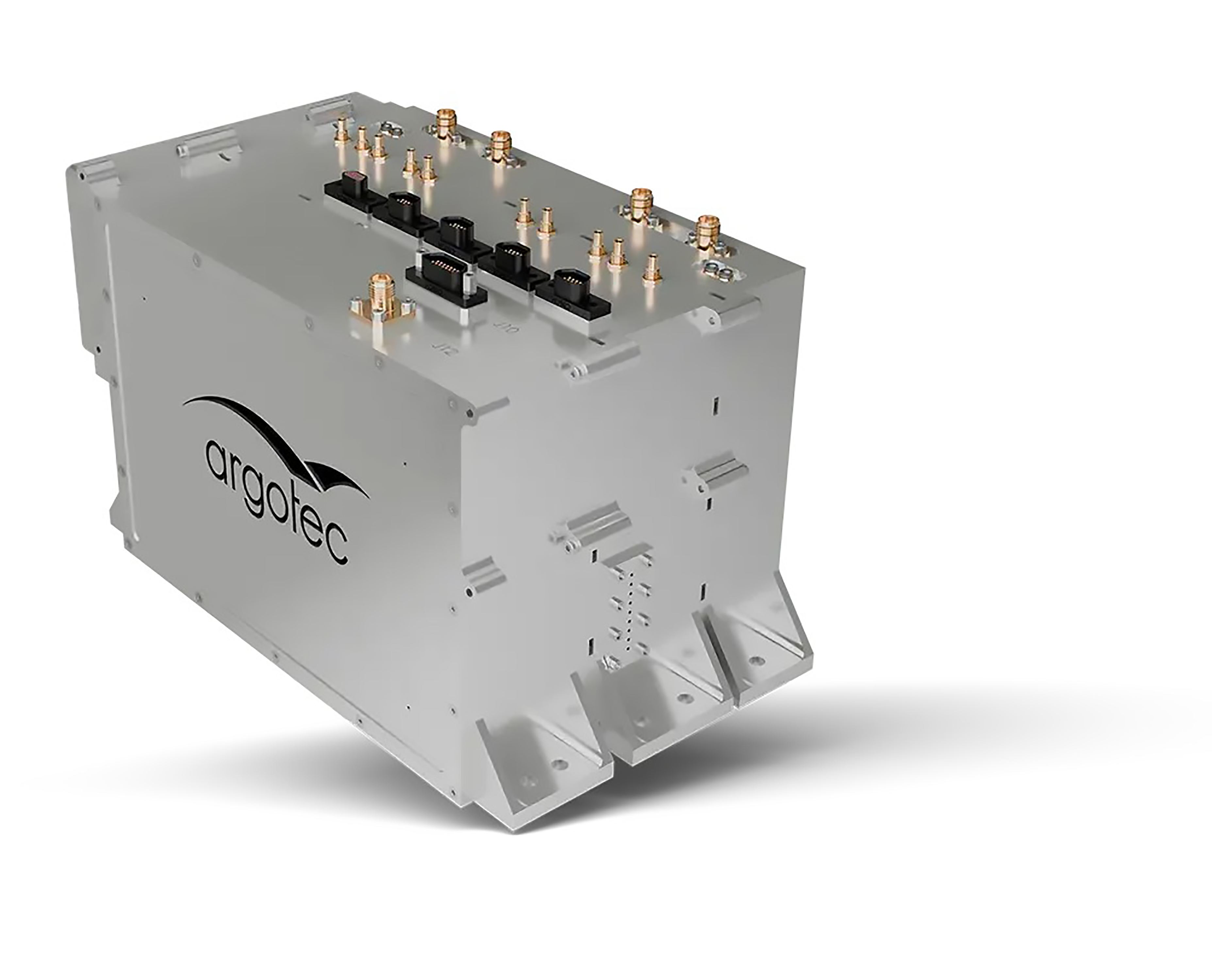
Argotec’s version of the Universal Space Transponder Lite, or UST-Lite, can be integrated with the company’s HAWK satellite platform and used for satellite missions both near and far. Credit: Argotec S.r.l.
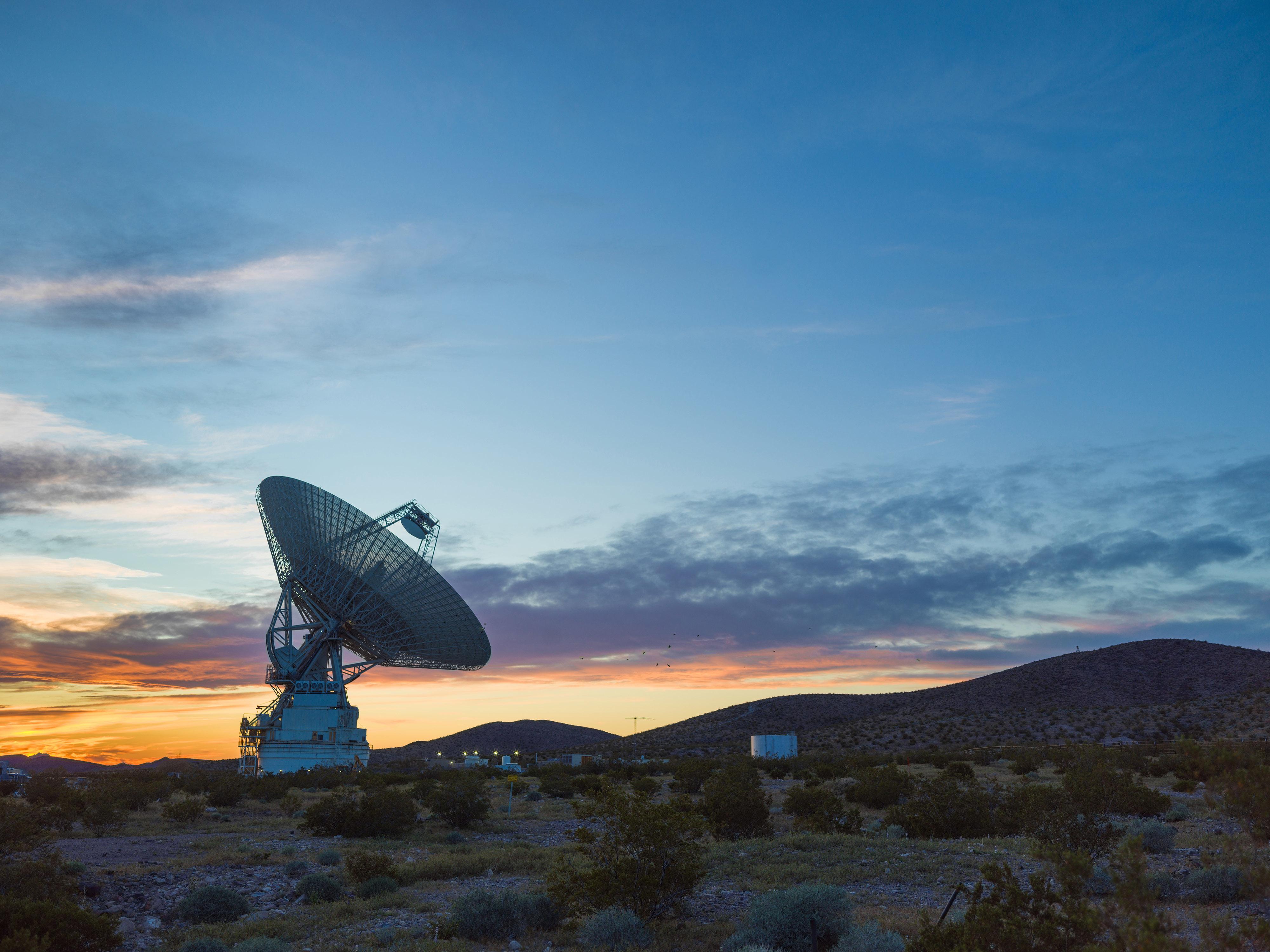
The Deep Space Network is how NASA missions to other planets report back to Earth. Sending smaller spacecraft outside of Earth’s orbit requires a small but capable radio, which comes in the form the UST-Lite. Credit: NASA
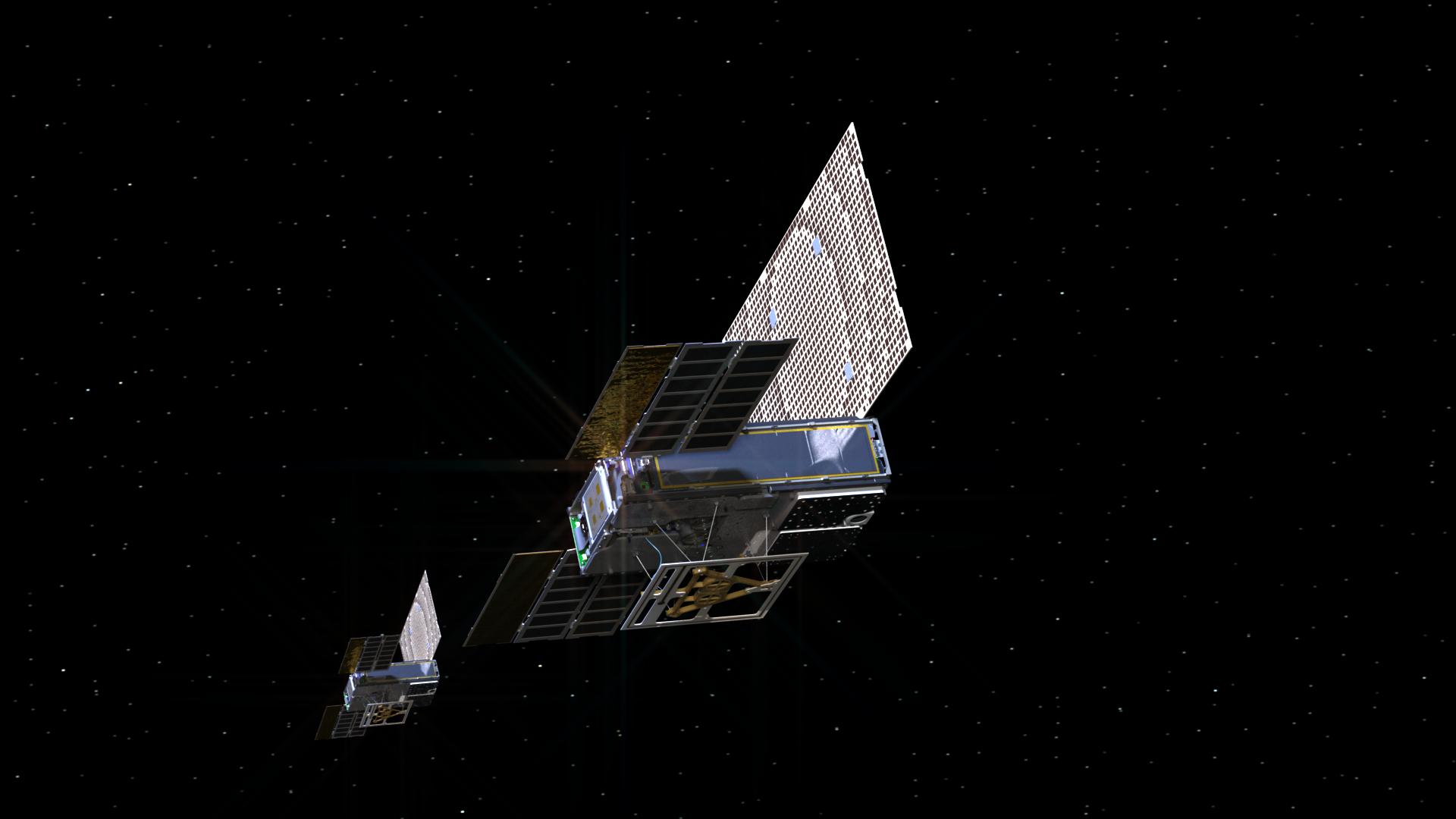
The Mars Cube One spacecraft were the first CubeSats to fly to Mars. To support future exploration efforts with small spacecraft, the Jet Propulsion Laboratory developed the UST-Lite radio to allow them to go even further into deep space. Credit: NASA