

The Impact of Space Junk
Subheadline
Software from NASA gives industry a space debris-mitigation resource
A stone hitting a windshield on a freeway can make a driver panic. Imagine a tiny piece of debris hitting a window on the International Space Station at 17,500 mph. Fortunately, when that happened, it only caused a pit in the glass, posing no risk to the astronauts on board. But they may not have been so lucky had the object been larger. Problems caused by orbiting debris are getting worse as the number of satellites and rockets launched into space increases.
International guidelines and federal regulations are in place to reduce debris in low Earth orbit. To meet those requirements, space companies and agencies around the world develop safe reentry plans using a NASA software the space agency developed for its own use. One of the most requested space agency codes, Debris Assessment Software (DAS), has helped NASA mission developers assess debris mitigation requirements for everything launched into space since 1996.
Federal agencies that manage access to space require a company to submit an orbital debris mitigation plan for every launch vehicle upper stage or satellite, which includes end-of-life deorbit, when the spacecraft drops into Earth’s atmosphere. DAS generates data requiring complicated calculations in a matter of minutes or hours, saving the end users time and expensive software development to achieve those results.
The program includes a module that creates a virtual spacecraft to test the effectiveness of the planned deorbit scenario. Every part of a craft must be included, from the materials used to fabricate components to the internal systems, structure, and more. Decades of NASA data replicate the conditions of space, Earth’s atmosphere, and the way materials react to both. That flexibility means DAS can model and test anything from rockets to CubeSats.
Kepler Communications Inc., a Toronto-based satellite communications company, frequently uses DAS as a first step to generate performance data.
“As we release new spacecraft, a new generation, we are required to update our filings and launch authorizations and orbital debris assessment reports or orders. DAS works wonderfully when creating new orders,” said Jared Bottoms, senior director of strategic initiatives for Kepler.
Companies can also model what happens to anything jettisoned into space. But accurate results depend on accurate information, said Dr. J.-C. Liou, program manager for the Orbital Debris Program Office at NASA’s Johnson Space Center in Houston.
“A piece of aluminum released from the space station probably will not survive reentry. But if you release a chunk of stainless steel or titanium, pieces will likely survive reentry to reach the ground or ocean,” he said. So DAS includes an extensive database of materials that’s continually updated to include new ones requested by users.
Because of the risk space debris poses to life and property, governments around the world implement the best practices of the Space Debris Mitigation Guidelines developed by the Inter-Agency Space Debris Coordination Committee. Many were originally developed by or include input from NASA.
The DAS mission editor and science and engineering utilities also share the space agency’s experience, according to Bottoms.
“Having access to software like this available is incredibly beneficial to expanding the space economy,” said Bottoms. “DAS ensures we’re limiting the potential devastation that could occur to the space environment and would limit our future use.”
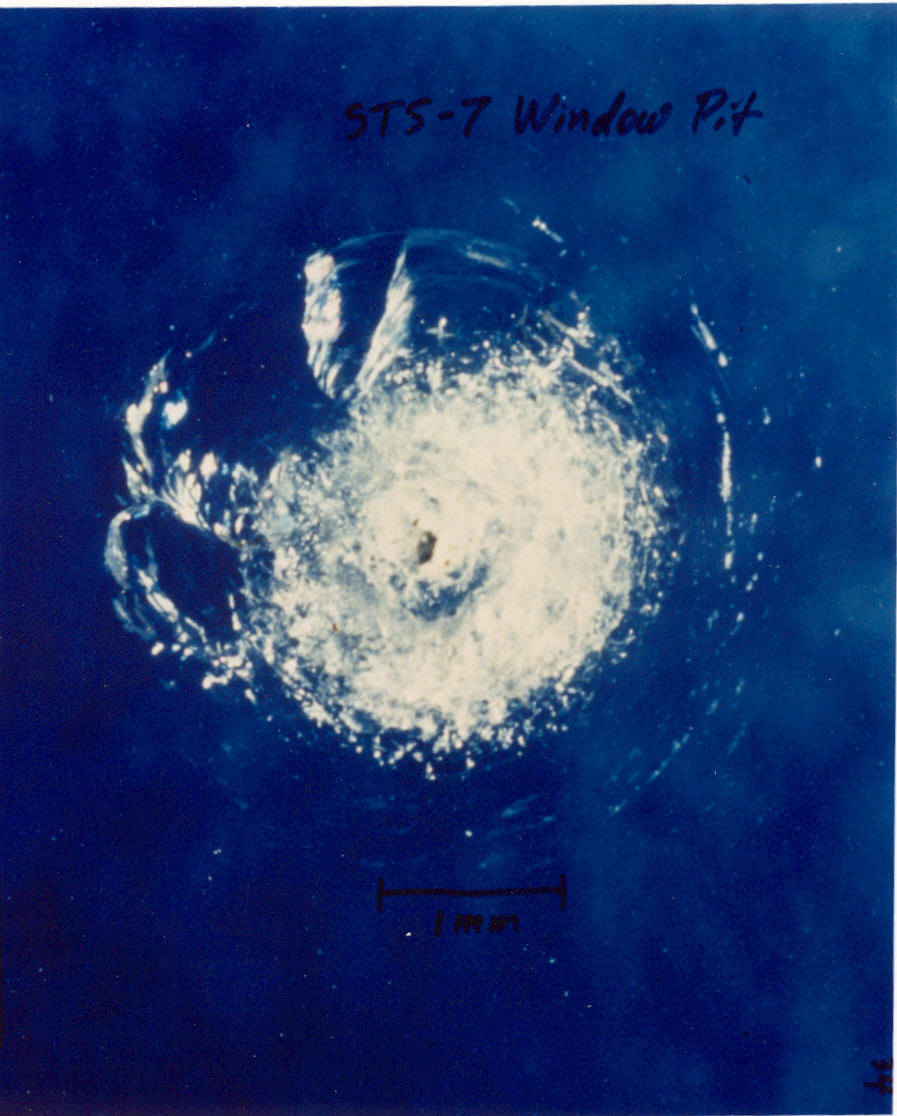
An impact crater on one of the windows of the space shuttle Challenger created by a paint chip shows how dangerous space debris can be. To help limit junk in space, companies like Kepler Communications use Debris Assessment Software to ensure their spacecraft will deorbit safely. Credit: NASA
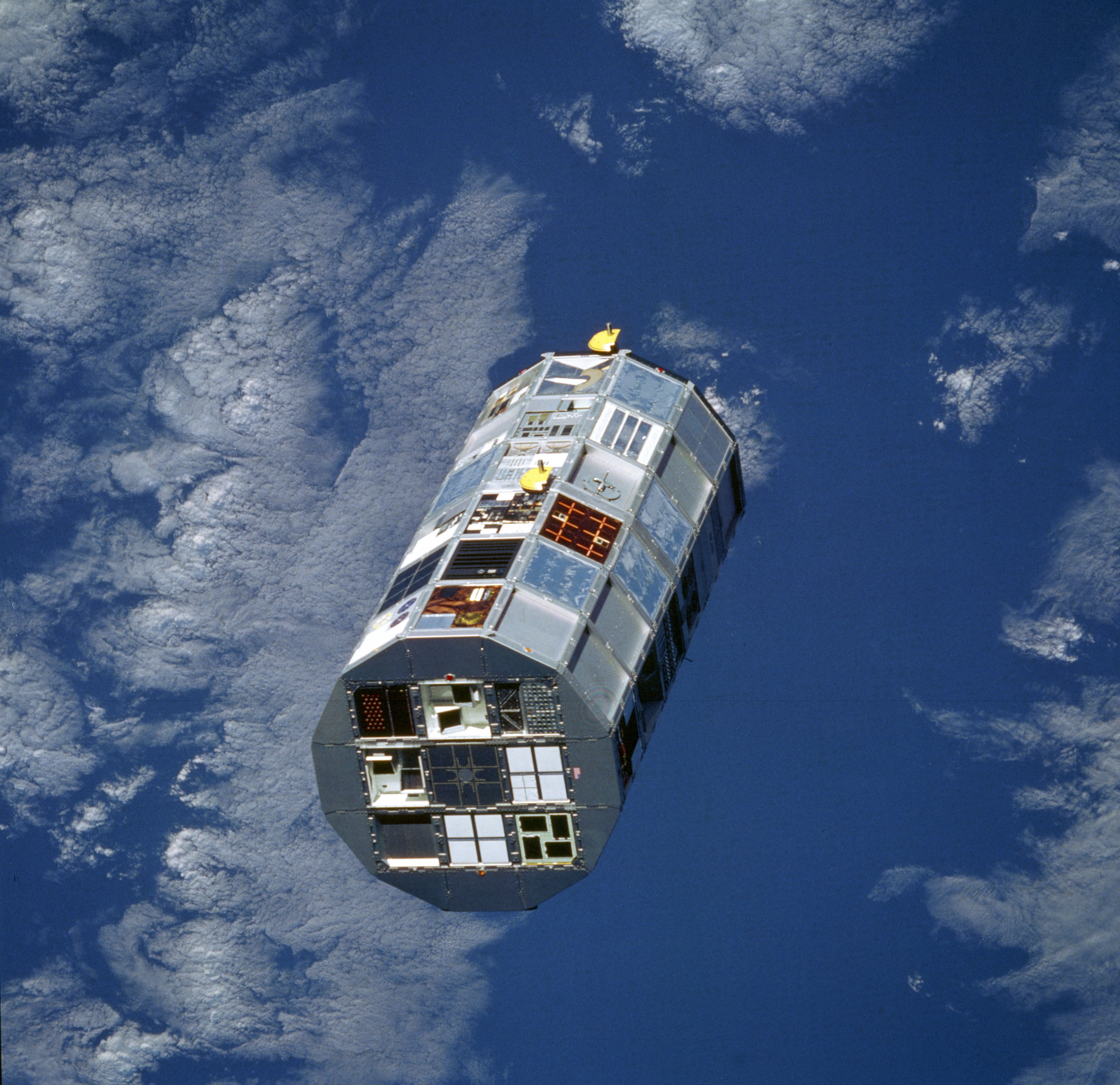
NASA's Long Duration Exposure Facility tested the performance of spacecraft materials, components, and systems in low Earth orbit, exposing them to the environment of micrometeoroids and space debris for an extended period of time. Credit: NASA