

Lunar Lattices and Their Earthly Impact
Subheadline
Novel 3D printing process enables lightweight structures in space and on Earth
An innovative 3D printing process that advanced NASA’s approach to outfitting a lunar habitat is making buildings on Earth beautiful, efficient, and strong.
Instead of building up an object layer by layer, Branch Technology Inc. has developed what it calls Freeform 3D Printing, which creates shapes with lightweight lattice structures that can be filled or covered. The company uses the technique to manufacture visually interesting, modular building elements, such as wall panels and cladding.
“Our process eliminates a ton of material from something that otherwise might be printed solid all the way through,” said David Goodloe, who leads the Chattanooga, Tennessee-based company’s Advanced Concepts team, which manages the company’s NASA collaborations.
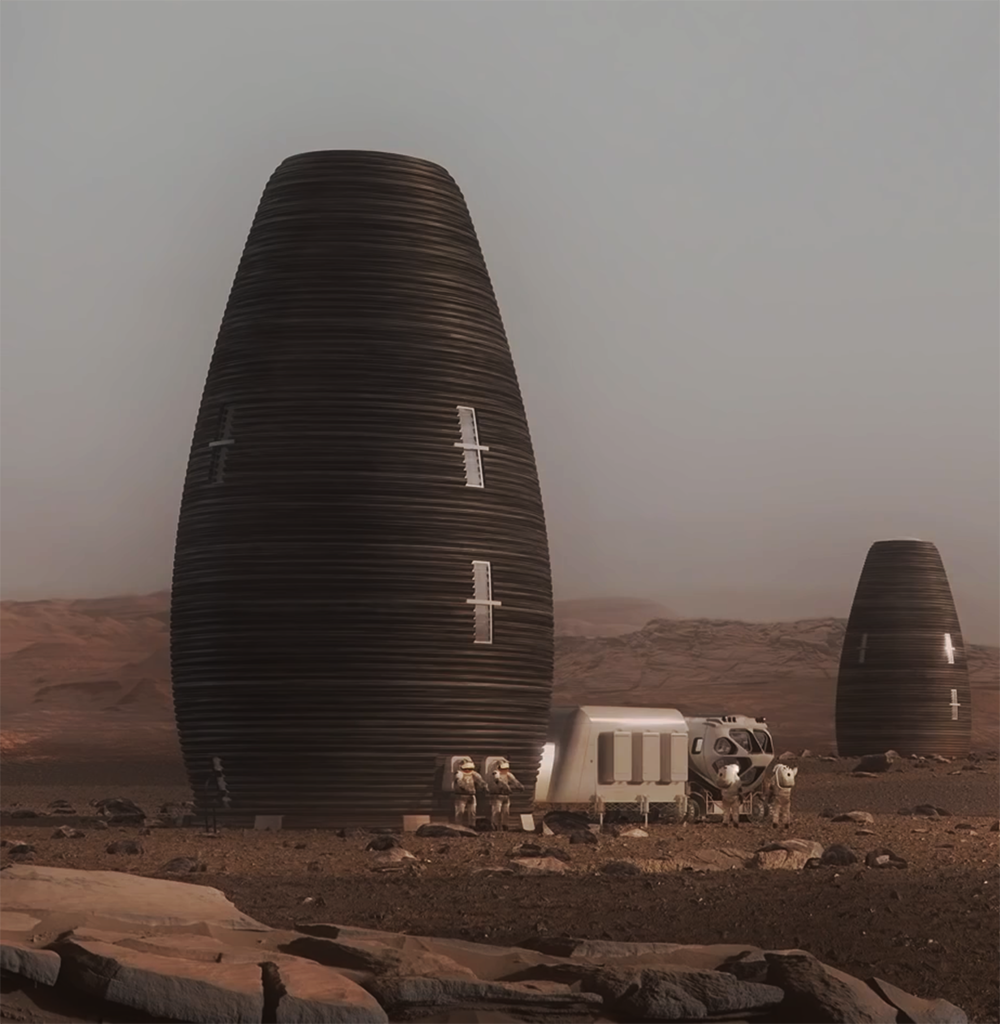
In 2017, Branch won Phase II of the 3D Printed Habitat Challenge, a NASA Centennial Challenges competition to build a 3D printed habitat for deep space exploration.
“Winning that challenge actually introduced us to our first institutional investor,” Goodloe said.
“Brick & Mortar Investments, based in Silicon Valley, California, saw this small, advanced robotics team from Chattanooga win this global NASA competition,” he said. “When they heard about our vision for terrestrial construction, they invested in the company.”
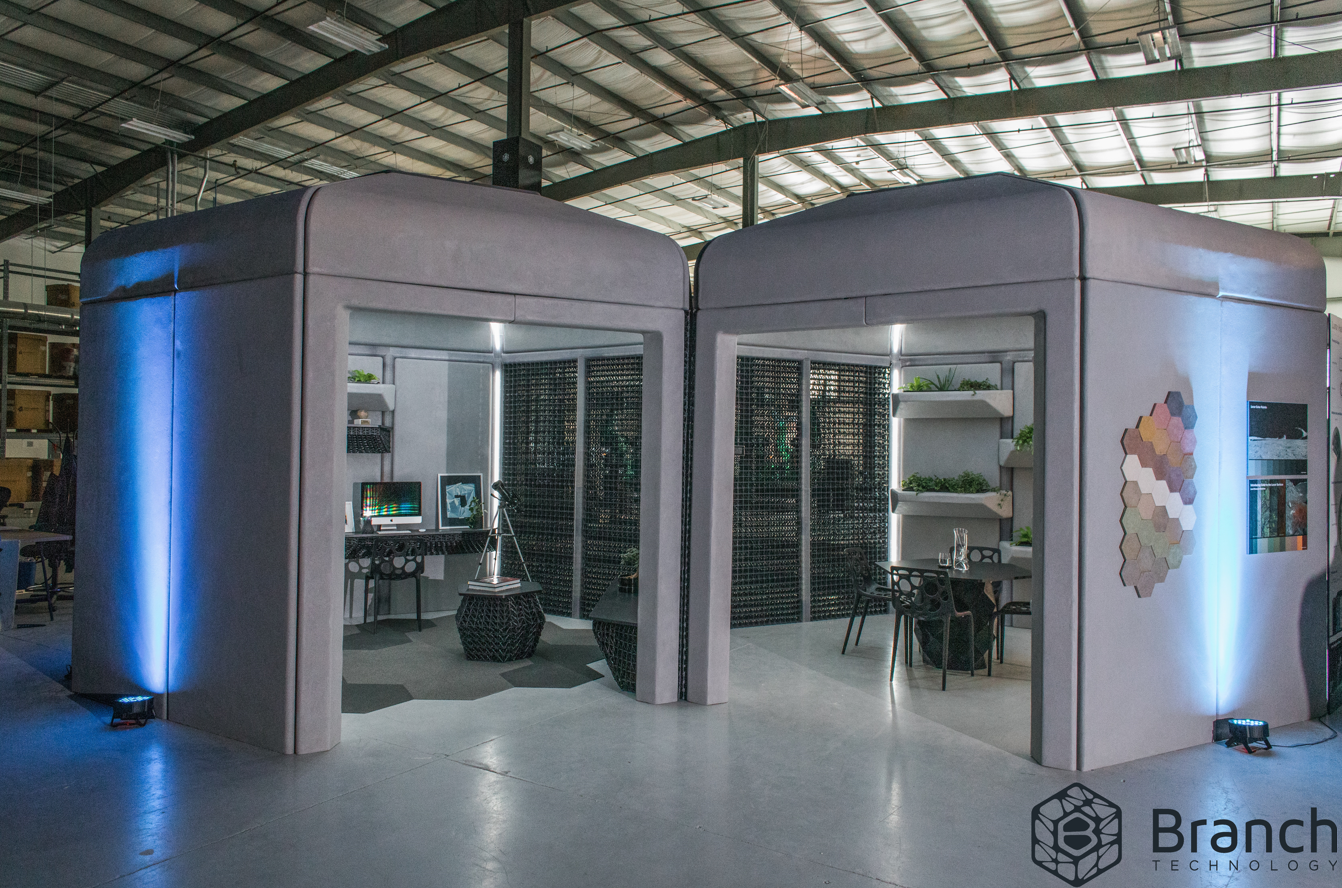
Teaming up with the architecture firm Foster + Partners and Stanford University, Branch went on to enter a cooperative agreement in 2021 with NASA’s Marshall Space Flight Center in Huntsville, Alabama, to look at manufacturing for lunar surface habitation. This project involved outfitting a model lunar habitat with autonomously produced structures — interior walls, tools, ducting, furniture, and components.
Tracie Prater is a technical manager in the Habitat Systems Development Branch at Marshall who served as a subject matter expert for the Centennial Challenge and also worked with Branch on the cooperative agreement.
“With the 3D Printed Habitat Challenge, teams were focused on how to build a large habitat structure on a planetary surface,” she said. “But once that structure is pressurized and ready for crew occupancy, how do you populate it with systems and supplies? That’s what Branch was looking at through the cooperative agreement — what their on-demand fabrication process enables in terms of novel designs for interior items.”
Both NASA projects influenced Branch’s offerings, according to Goodloe. For instance, NASA parameters for the Moon base led the company to enable its nozzles to extrude its signature lattice structures as well as more traditional layers. Branch uses this dual capability frequently, for example in its wall panels, where traditionally printed sections offer solid substrates for attaching fasteners.
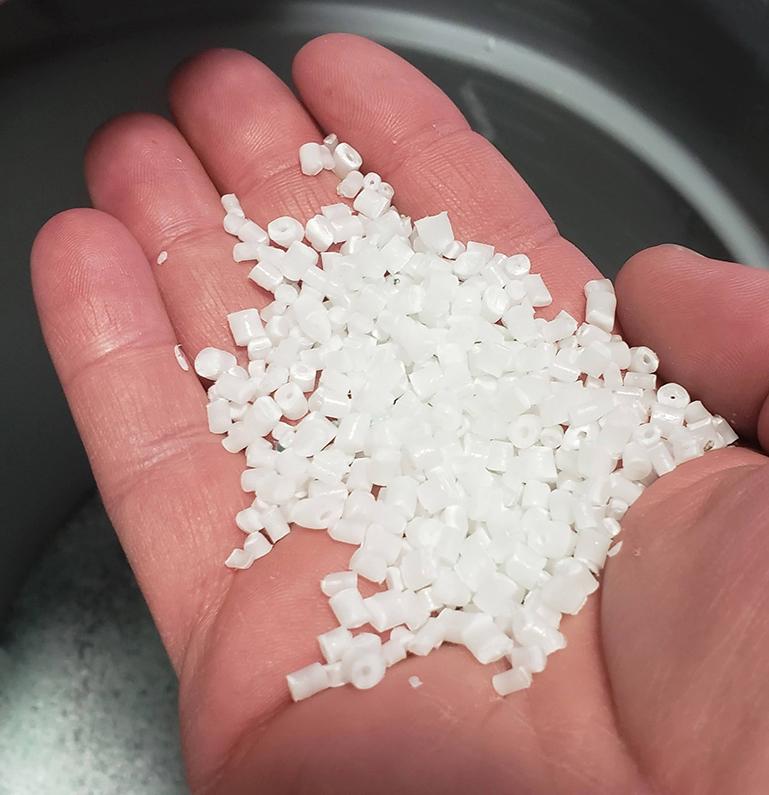
The polymers Branch extrudes were informed by its materials science research for the Habitat Challenge, which asked that print material be made of something like the dust and rocks found on the Martian surface and mission recyclables. Branch came up with a basalt fiber-reinforced plastic, and from that work went on to develop an optimal loading recipe for its terrestrial “inks.”
The company is now working on a NASA Small Business Innovation Research project to determine if its Freeform 3D Printing technology could build a 50-meter tower on the Moon. Branch also built a full-scale replica of the space shuttle and a cratered lunar surface facade for the Space Camp building at the U.S. Space and Rocket Center, also in Huntsville.
Branch’s other projects include a 50-foot, drapery-inspired wall for the W Hotel in Hollywood, art installations, and building interiors and exteriors. The company’s analysis of a high-rise building facade that was initially slated to receive precast concrete found Branch’s panels would be 34 million pounds lighter, offer 49 times more insulation, and require no skilled labor or crane time to install.
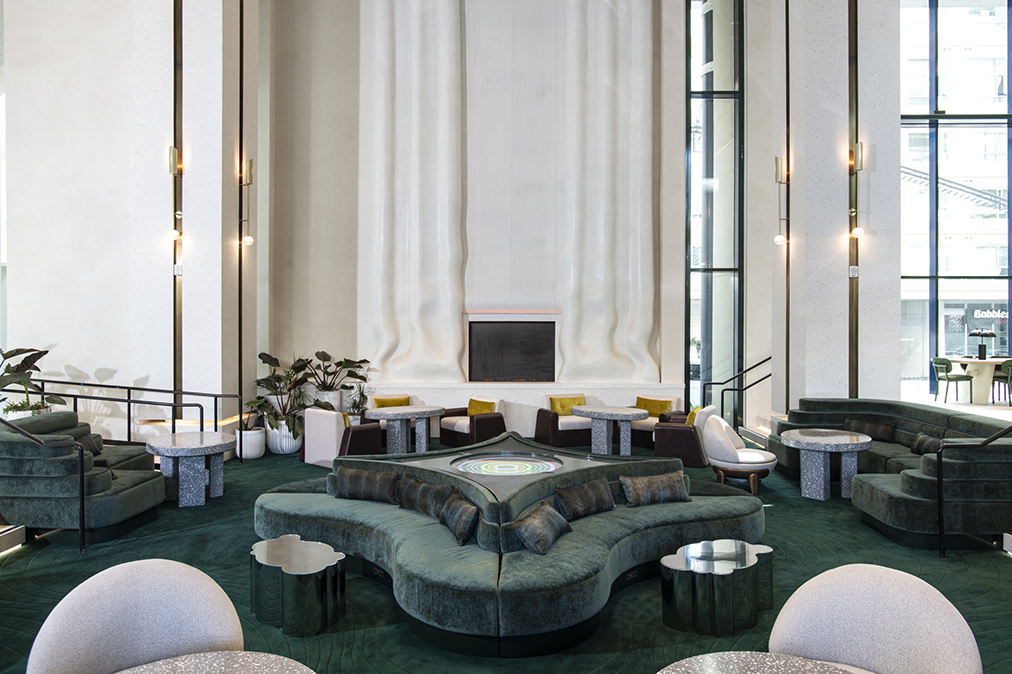
Branch 3D prints lattice structures which can be filled or left hollow to create unique building components, like these drapery-inspired wall panels for the W Hotel in Hollywood. Credit: Branch Technology Inc.
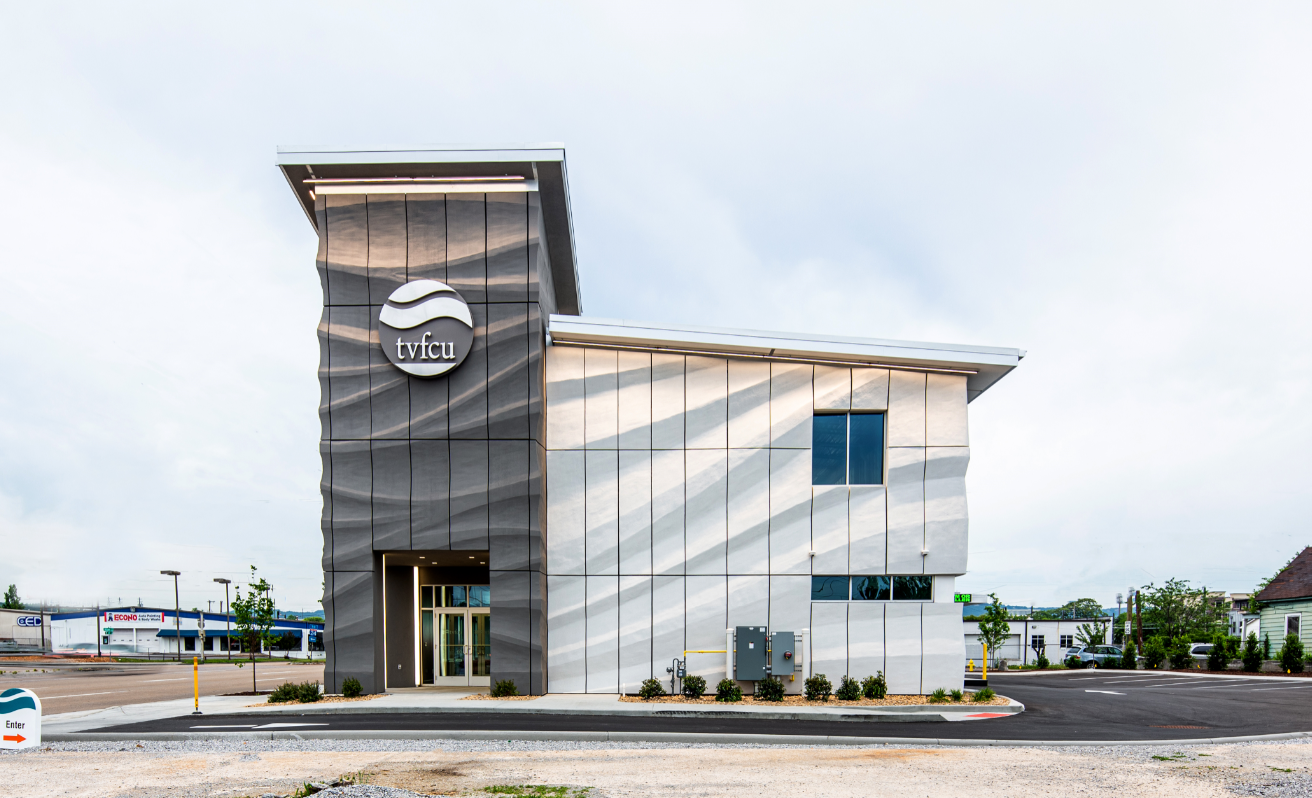
Branch’s 3D print process enables it to create visually interesting building parts, such as the façade of this bank in Chattanooga, Tennessee. Credit: Branch Technology Inc.
Branch’s work outfitting a prototype of a lunar surface habitat they developed, pictured here, under a cooperative agreement with Marshall Space Flight Center, helped the company evolve its printing processes. Credit: Branch Technology Inc.