

Boosting Bone Health
Subheadline
Using NASA data, a new technology promotes strong bones
Recovering from a broken bone can be a long, painful experience — even life-threatening for the elderly.
The risk of a fracture when thousands of miles away from medical care is one reason NASA studies bone health in astronauts. Weightlessness in space and even low gravity on the Moon or Mars can weaken human bones over time. NASA-funded research into options for combating that bone loss has included a study attempting to understand whether vibrations might trigger bone cells to create new tissue. The answer was yes for the test animals, and that effort also determined the ideal vibration intensity and frequency for humans. Now a new technology is using that information to help prevent the most common fractures in hips and the lower spine for Earth-bound patients.
Approved by the Food and Drug Administration (FDA) as a Class II prescription medical device for patients with osteopenia, Osteoboost was created to help prevent bone loss. Osteopenia is loss of bone density that occurs prior to osteoporosis, and both conditions significantly increase the risk of fractures, according to Laura Yecies, CEO of Osteoboost Health Inc.
“Hip fractures are deadly, with 20% to 30% mortality in the first year after a fracture. Patients who survive are highly likely to lose their independence,” said Yecies. “And debilitating vertebral compression fractures are the most common osteoporotic fracture.” This is why the Redwood City, California-based company developed a technology that can be worn like a belt, concentrating the vibrations at the vulnerable areas of hips and lower spine.
Good Vibrations
The research funded by NASA’s Johnson Space Center in Houston failed to demonstrate that whole-body vibration would benefit the entire human skeleton. But it did find a level of vibration that people could tolerate, and it proved vibration stimulated bone cell growth in several different animal groups. Victor Schneider, medical research officer for NASA, explained that a variety of external stimuli can be beneficial for internal functions.
“You can stimulate bone cells through the skin. Magnetic forces do this. Electrical forces do this, and both of those are also FDA approved for stimulating new bone cells to make new bone,” he said. “This technology fits into that category.”
NASA focuses on many aspects of astronaut health to ensure that time in space doesn’t have a detrimental effect. The agency’s Human Research Program has been collecting data for over 50 years and learned quite a bit about bone health. For example, astronauts in space on short-term missions of just two or three months experience minimal bone loss, while long durations in space can have a detrimental effect.
That’s because the human body evolved in an environment with gravity. That force causes bone cells to generate the additional tissue necessary to maintain density and strength to do their job. When any extra force is added by activities such as weightlifting or running, our bones recognize that added stress and automatically start generating new cells to make them stronger. Just the act of walking on Earth helps keep legs, hips, and spinal bones healthy, but in space there is no weight-bearing stress to trigger the production of new cells.
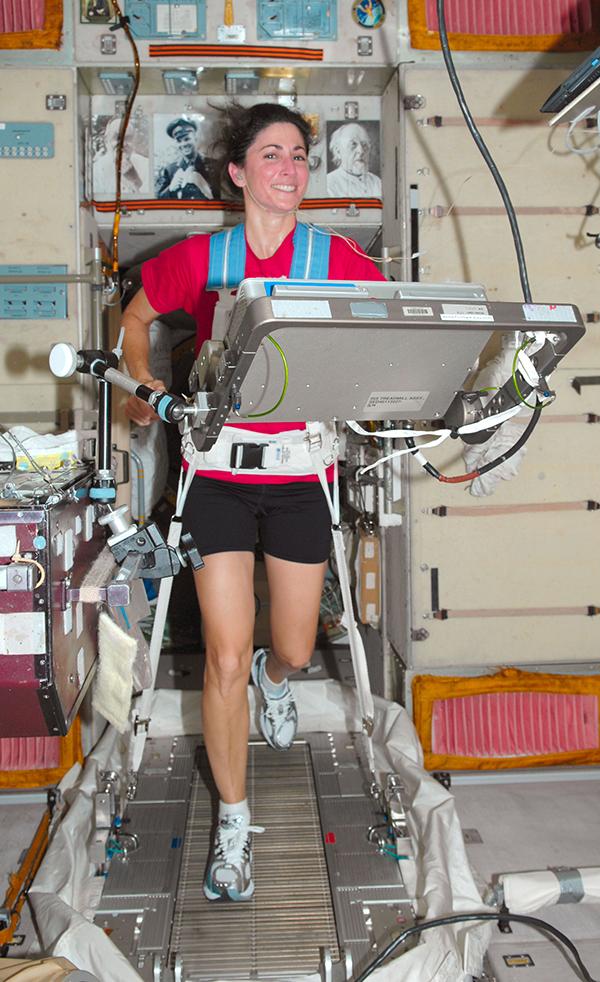
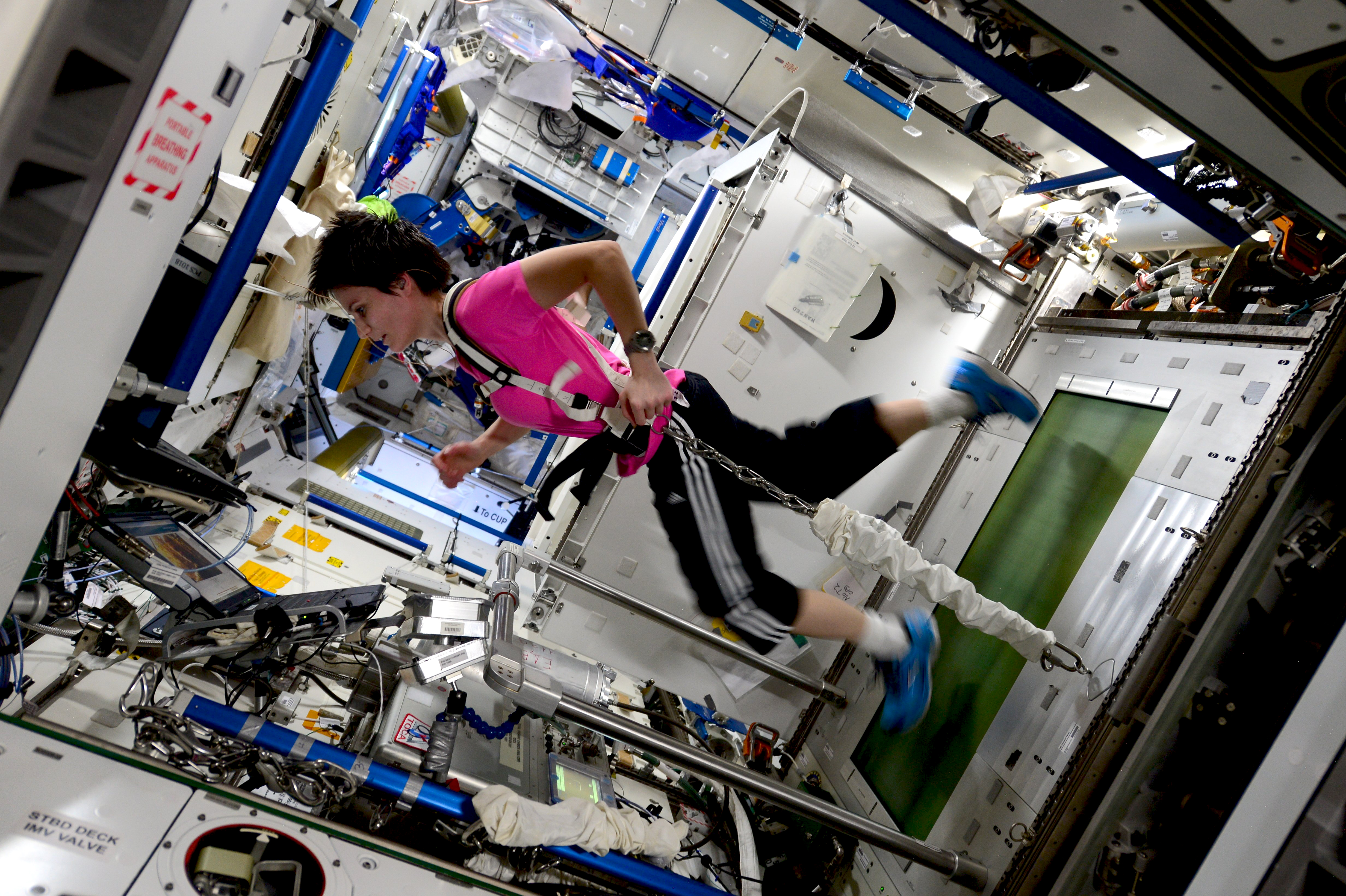
That lack of force signals that strong bones are no longer required. They adapt to weightlessness by breaking down and releasing calcium, collagen, and minerals that are no longer needed to support the full weight of an astronaut. To help combat those losses, the Bone and Mineral Laboratory monitors astronauts’ bone health. Substitutions for gravity on long-duration missions include equipment like a specially designed treadmill and a weightlifting machine on the International Space Station, and it’s paying off. Astronauts experience only minor short-term bone loss in space, according to Schneider.
Preventing Fractures
People begin losing bone density in their 30s, and that accelerates with aging and age-related conditions like menopause. Some drug therapies such as chemotherapy and steroids can also degrade bones. The most common fractures occur in hips and the L1 and T12 vertebrae. And early intervention is important, according to Yecies.
“Osteopenia is like many chronic conditions. If you don’t intervene early, it’s very difficult to recover,” she said. While there are some medications available to treat osteoporosis, they have limitations. One is the short-term duration of use because side effects can be severe, and benefits decrease over time.
Hip-fracture mortality has halved in the last 50 years. Although the fracture rate has gone down minimally, the increase in the aging population has led to dramatic increases in numbers of fractures, according to Yecies. Osteoboost Health would like to help reverse that trend.
The Osteoboost vibration belt is a non-toxic alternative. A doctor can offer this treatment to patients with osteopenia as a way to improve their bone strength and bone density. Clinical trials revealed no serious adverse side effects, so it can be used as long as needed.
A pressure sensor at the back automatically senses the appropriate pressure to transmit vibration to the skeleton. An accelerometer — a sensor that measures acceleration — is positioned over the hip bone and gauges the vibration intensity. Calibration adjustments are automatic and made for every 30-minute session. If the vibration is inadequate, the strength is raised. If it’s too strong, it’s lowered.
“The distribution of muscle and fat around the lower back might be different, so a slightly different vibration will be required,” said Yecies. “Or one day you’re wearing running shorts, another day you’re wearing sweatpants. The device always ensures the right dose of vibration.”
Noting that different frequencies and intensities during vibration studies resulted in different degrees of efficacy, Yecies credits the NASA-funded research with identifying the optimal frequency and intensity to benefit humans.
“NASA funding of basic science is so important and has been critical for us. It is exciting that research conducted on behalf of young, healthy astronauts will have benefits for frail, elderly people,” said Yecies.
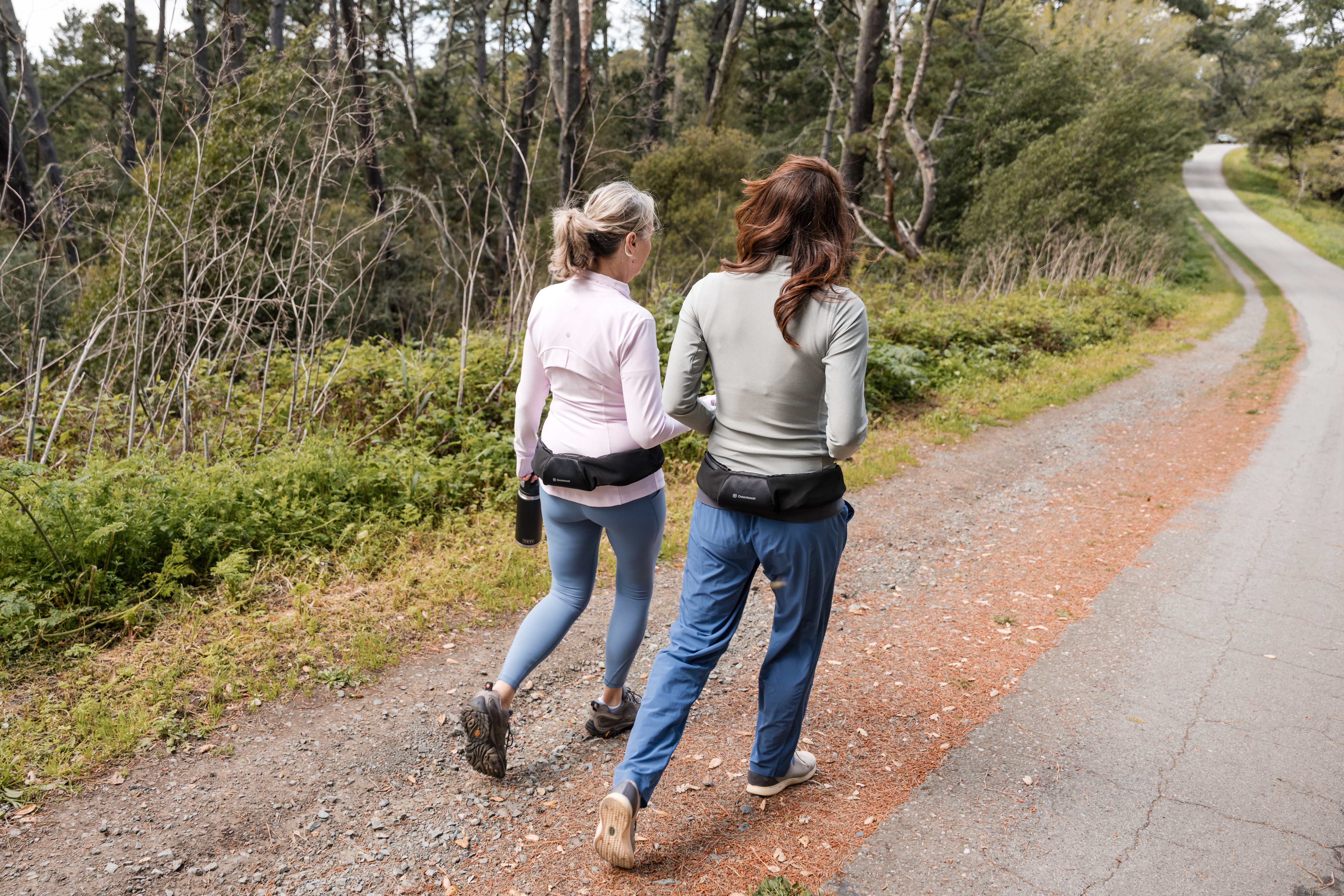
The best frequency and level of vibration to stimulate the growth of bone cells, as identified by NASA-funded research, helps Osteoboost transmit the appropriate dose to the lower back of the wearer. Credit: Osteoboost Health Inc.
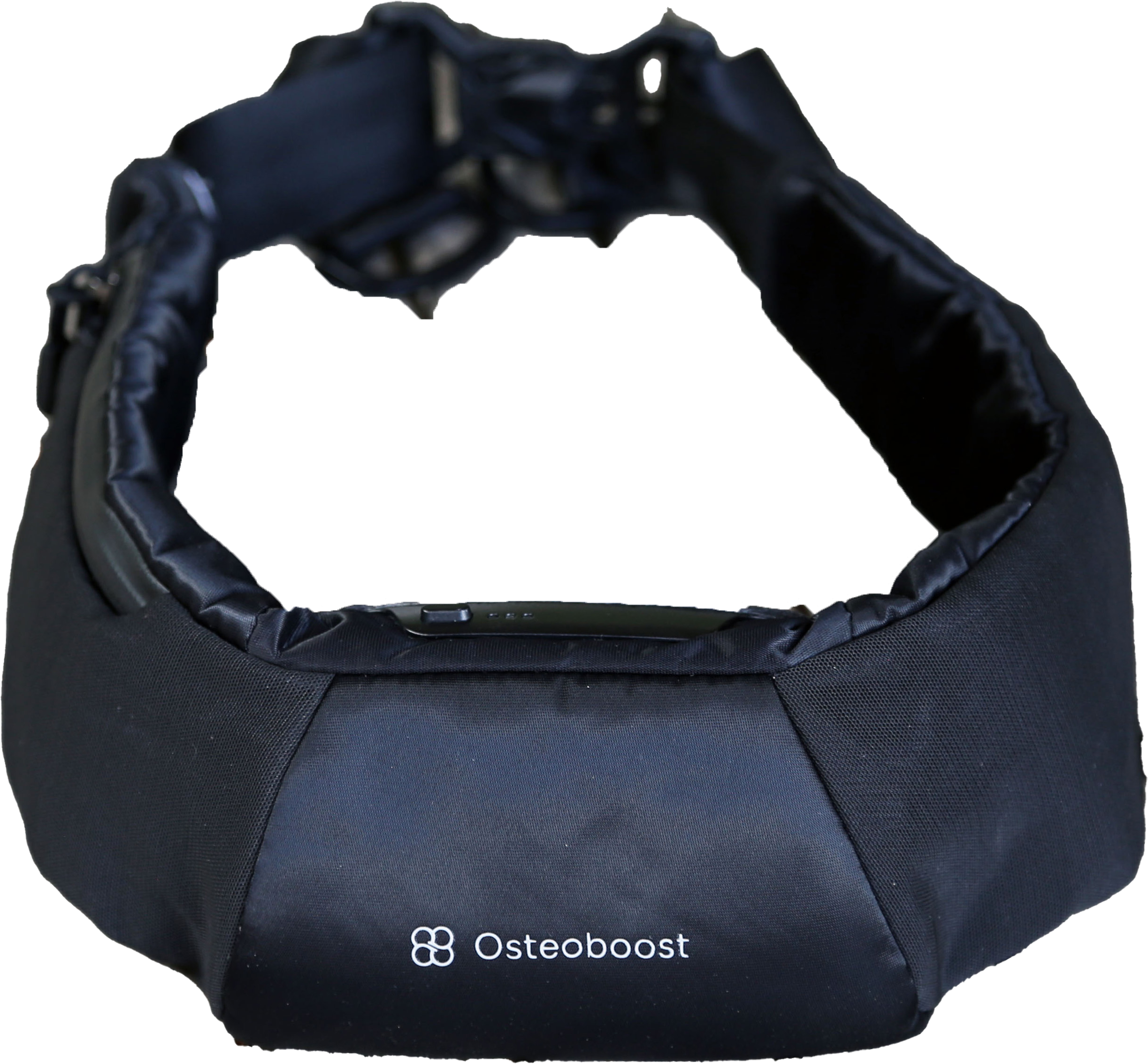
The Osteoboost vibration belt is a non-toxic alternative to medications that treat osteopenia and osteoporosis, which can produce severe side effects.
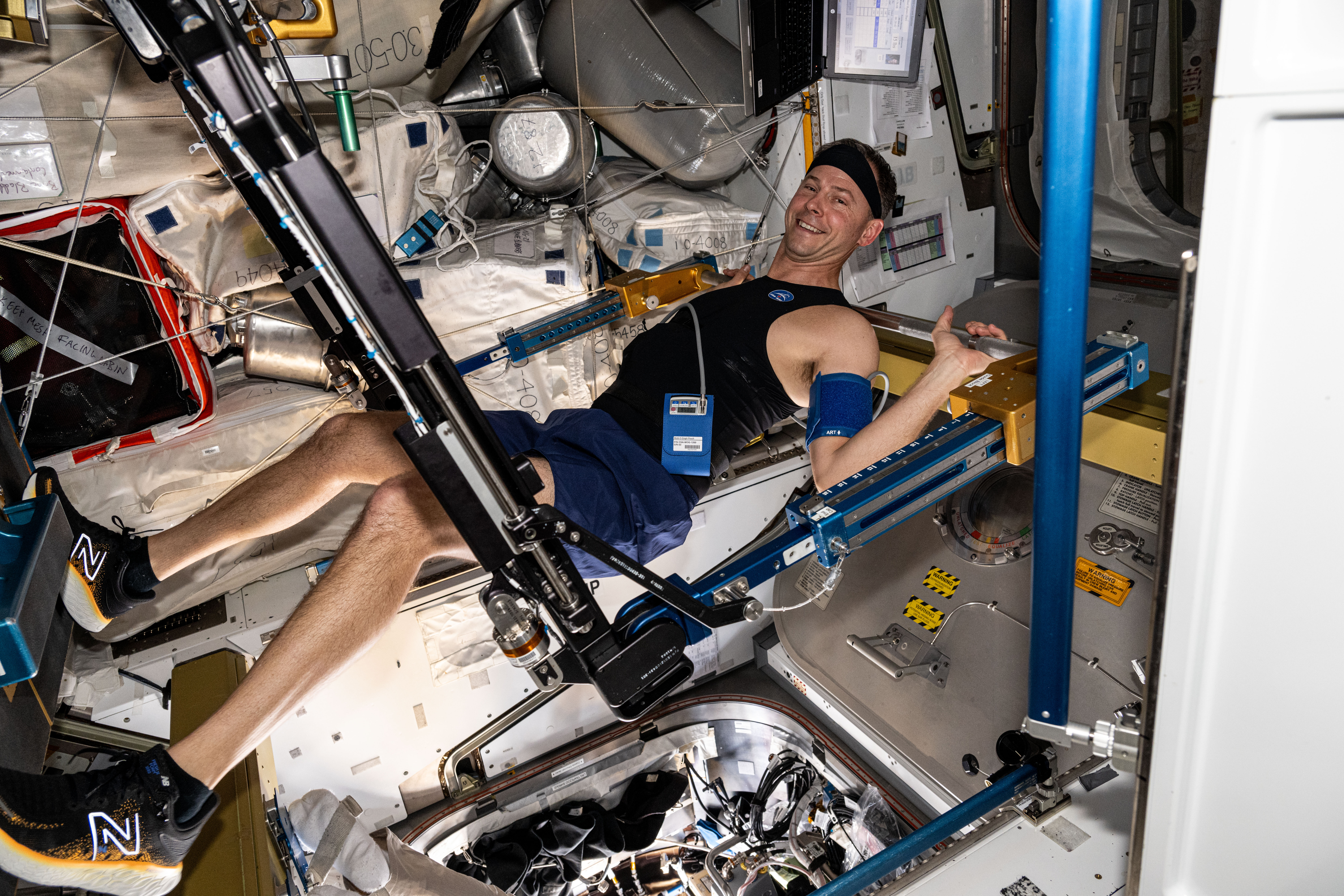
Gravity is essential for maintaining strong bones. So specially designed exercise machines were created for the space station, such as the Advanced Resistive Exercise Device, a weightlifting machine that mimics lifting free weights on Earth. Astronauts, including Nick Hague of NASA, typically work out for two hours daily. Credit: NASA
ESA (European Space Agency) astronaut Samantha Cristoforetti uses the treadmill on the International Space Station to help maintain her muscle and bone health while in microgravity. Credit: ESA/NASA