

Extraterrestrial Medical Diagnostics
Subheadline
Miniature laboratory technology tested by NASA returns fast blood test results
A delay of weeks or even days to get the results of blood work can mean an agonizing wait for diagnosis and treatment. But technology exists that delivers quick diagnoses, and NASA has helped improve it. Astronauts on Mars will be millions of miles away from a lab, making it impossible for them to access diagnostic tools on Earth. Due in part to NASA’s support for the development of portable testing technology for use on other worlds, it’s now possible to identify a host of medical problems on Earth from a single drop of blood. Miniaturized hardware and sophisticated software tested by a U.S. astronaut on the International Space Station are now being used by pharmaceutical companies and hospitals conducting clinical research.
“We’re in the business of spaceflight. We’re not in the business of making really great medical devices. There are companies out there that can do that much more effectively,” said Courtney Schkurko. A project manager with the Mars Campaign Office Exploration Medical Integrated Product Team at NASA’s Glenn Research Center in Cleveland, Schkurko described the technology as a “portable compact lab.” This kind of point-of-care medical diagnostic device generates swift and accurate test results on Earth, performing preliminary analysis necessary for medical treatment.
The 1DROP Health Reader from 1Drop Diagnostics US Inc. uses a disposable microchip designed to look for specific molecules, called analytes, in blood. An analyte is any chemical being subjected to analysis. Some of those tests are a top priority for the space agency to safeguard human health. Here on Earth, the Boston-based company currently supports the detection of diabetes risk, kidney function, cardiovascular disease, and hormone function. And more capabilities are in development.
‘Above the Clouds’
The Food and Drug Administration granted permission in early 2024 for use of the 1DROP Health Reader for research purposes only. Pharmaceutical companies, researchers, and hospitals, including Massachusetts General Hospital, Harvard Medical School, and Baylor College of Medicine, are working with the company to collect data about the technology’s performance, as well as their own research. Using it alongside slower, established diagnostic tools, researchers screen participants in clincal trials for compatibility with an autoimmune disease drug, an anticoagulant, and a medication for chronic kidney disease.
Blood tests normally require a vial or two of blood from the patient and a complicated process with multiple steps. To ensure accurate results, a trained professional working in a laboratory or physician’s office must oversee the testing. However, advancements in miniaturized technology have allowed 1Drop to pack all of the requisite technology onto a disposable microfluidic chip and automate the entire process.
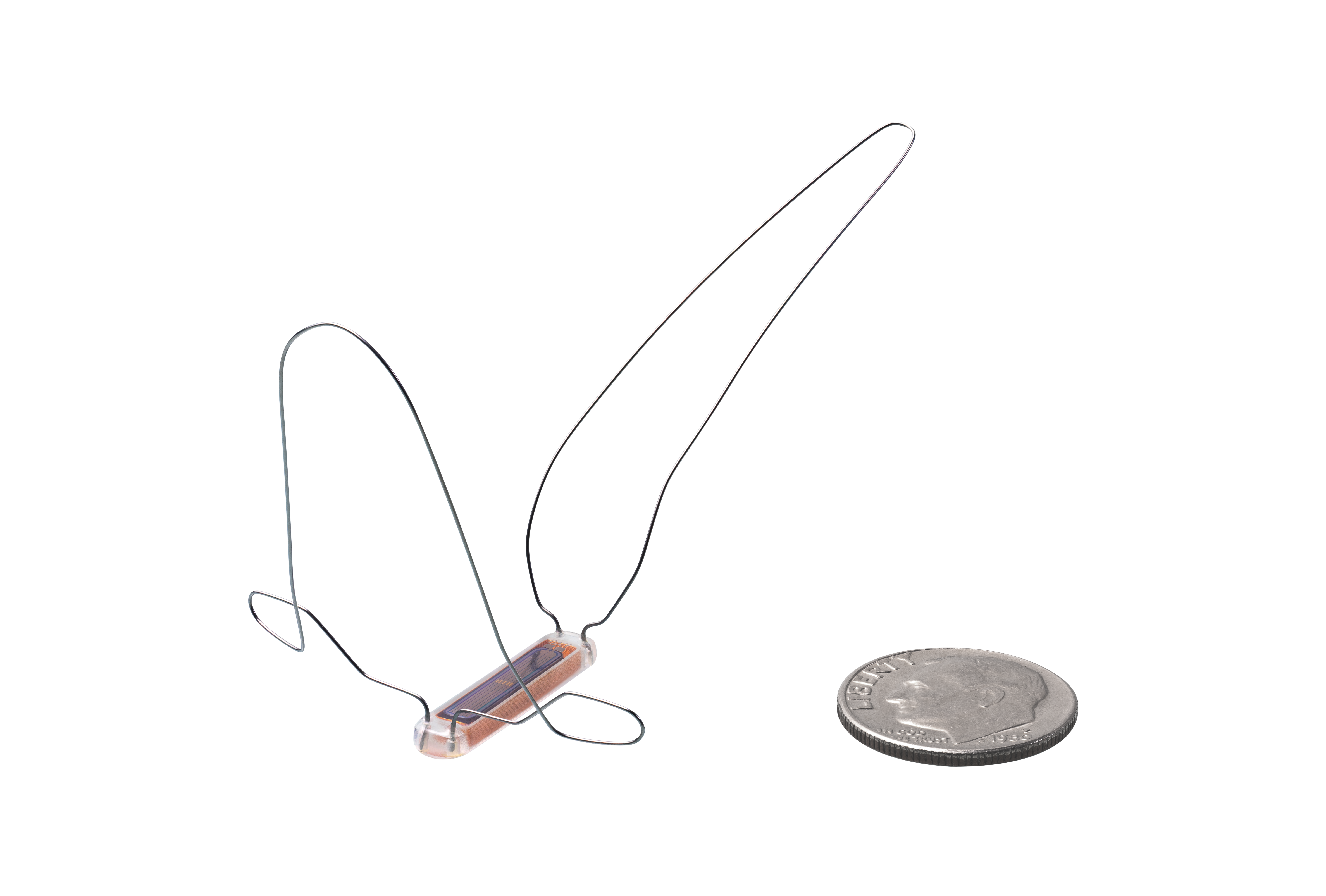
“Each chip contains miniature filters, sample collectors, valves, channels, reaction chambers, and pumps,” said Luc Gervais, CEO of 1Drop. A single drop of blood extracted from a fingertip is dropped into the chip, which is then inserted into the reader.
An approach called multiplexing identifies different types of analytes by examining the separation of the cells in each test. Fluorescent light is directed onto the sample, and filters identify the intensity of the light reflected back — each analyte reflects light in a different way. The reader has built-in light, lenses, image sensors, and all of the electronics to identify the molecules. That data is analyzed by the algorithms and artificial intelligence programmed into the reader to measure the concentration of specific biomarkers.
The analysis only takes a few minutes. “You get that concentration on the screen of the reader. Then the data goes to a cloud-based infrastructure to synchronize that data and send it to the smartphone of the patient or the physician,” said Gervais. A custom app allows the user to access and store results over time.
The flight demonstration of the 1DROP device on the space station included tests prioritized by the agency for long-duration missions and proved the technology worked as required in zero gravity. But there was one problem, according to Schkurko.
“Commercial devices have some type of cloud application behind them, and we fly above all clouds, pun intended.” So the technology must make it easy to manipulate the data and transfer it between computer systems, she said. Using recognized data-sharing standards to safely transmit the information to NASA computers, 1Drop created a custom interface to download, share, and store results to each astronaut’s health record.
Mitigating Biohazards
Because liquids behave differently in space, drawing blood is incredibly risky. All bodily fluids are biohazards, so any molecules that might escape during a procedure pose a threat to the health of the entire crew. A sample could also get contaminated because the environment isn’t sterile, potentially leading to inaccurate results. And there’s the issue related to thoroughly cleaning the device for future use and disposing of test-related material. Some of these challenges are easier to address in low Earth orbit than they will be in deep space.
Blood samples are currently returned from orbit to NASA for terrestrial processing. A consultation with a flight surgeon and other medical professionals is unaffected by the communication delays and lapses associated with deep space. On the space station, the containment and removal of bio-waste is relatively simple compared to long-duration missions, where recycling and reuse of materials will be essential.
“Trash and waste management are critical to NASA missions,” said Schkurko. “From a medical perspective, we don’t want any type of contamination that would get back into the human body or that could potentially make anyone else sick.” To ensure against contamination of both the environment and the sample, 1DROP devised a self-contained system of capillary wicking pumps and valves that keep the fluid from escaping and let nothing else into the chamber. Now it confers the same benefits on Earth.
‘Good Enough for Astronauts’
Creating a user-friendly, self-administered test to replace a complex process that takes highly specialized equipment has taken many years. Gervais appreciated the unexpected contributions NASA made to improving the technology, including modifying the equipment to withstand the force of a rocket launch. That effort will make it possible for anyone anywhere to use the 1DROP Health Reader.
“It could be used in the Arctic or in the desert or in the developing world and places where there’s no access to a lab or a controlled environment. Working with NASA was not something that we ever really imagined, but it has ruggedized the device and the technology,” said Gervais. Whether used in the field by first responders in disaster-recovery situations or by a pharmacist supporting patients with chronic conditions, quick and accurate results can alleviate some of the stress of diagnosis and treatment.
Experience with NASA’s Human Research Program and sponsorship of the company’s participation in the U.S. National Laboratory initiative to miniaturize diagnostics testing for health assessment in deep space also helped the company to advance the technology. A significant outcome was developing tests for biomarkers related to liver and kidney function, high-priority analytes for NASA deep space missions that can also be used in terrestrial medicine.
“It’s been great working with these commercial entities to help them understand what the challenges for operations in space might be and what NASA-specific needs might be,” said Schkurko. “Working with them to modify that core technology to meet our needs gives us the best of both worlds, where we can bring some of that spaceflight expertise and they can bring the medical and the technology expertise so that everybody can benefit.”
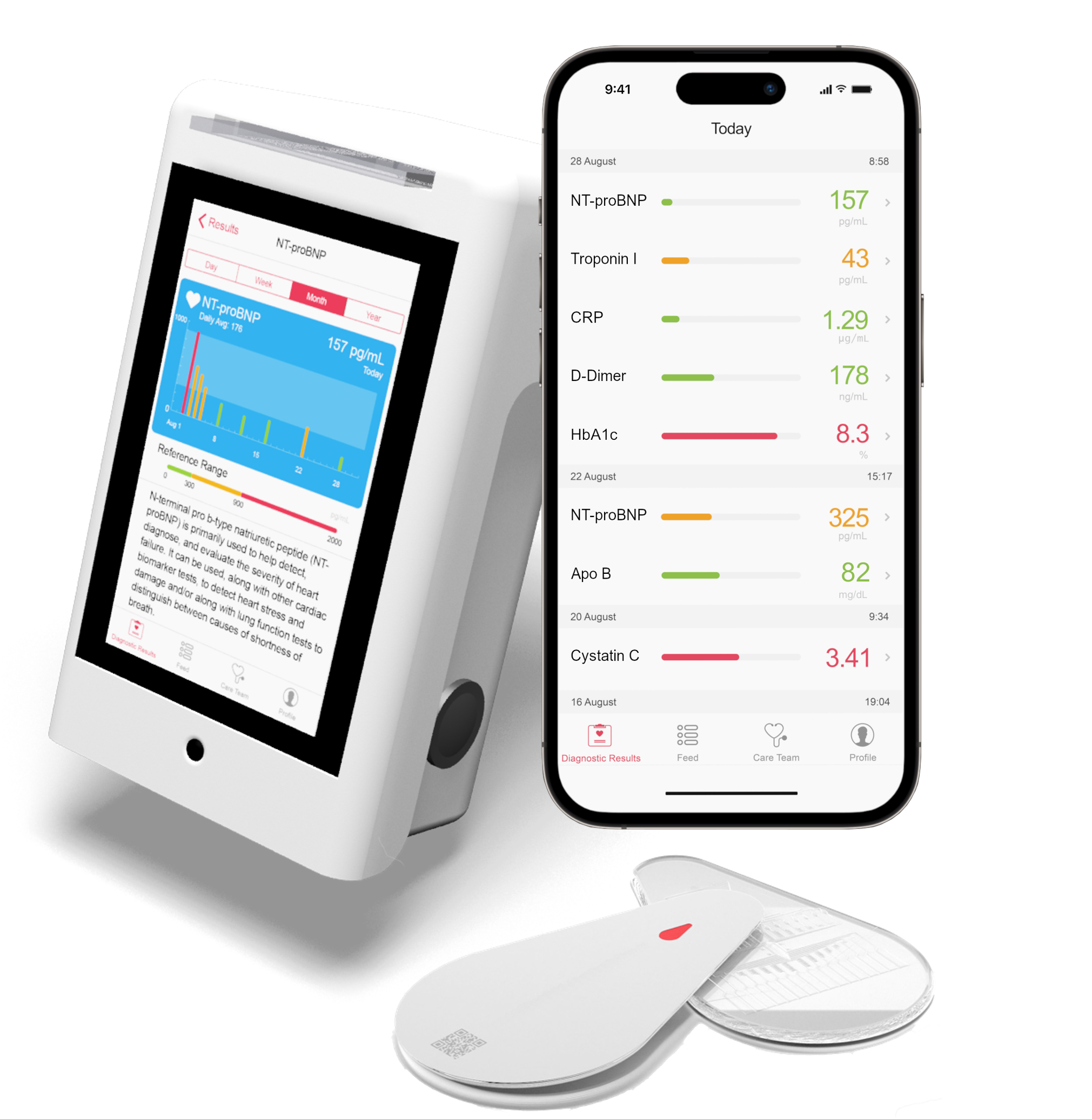
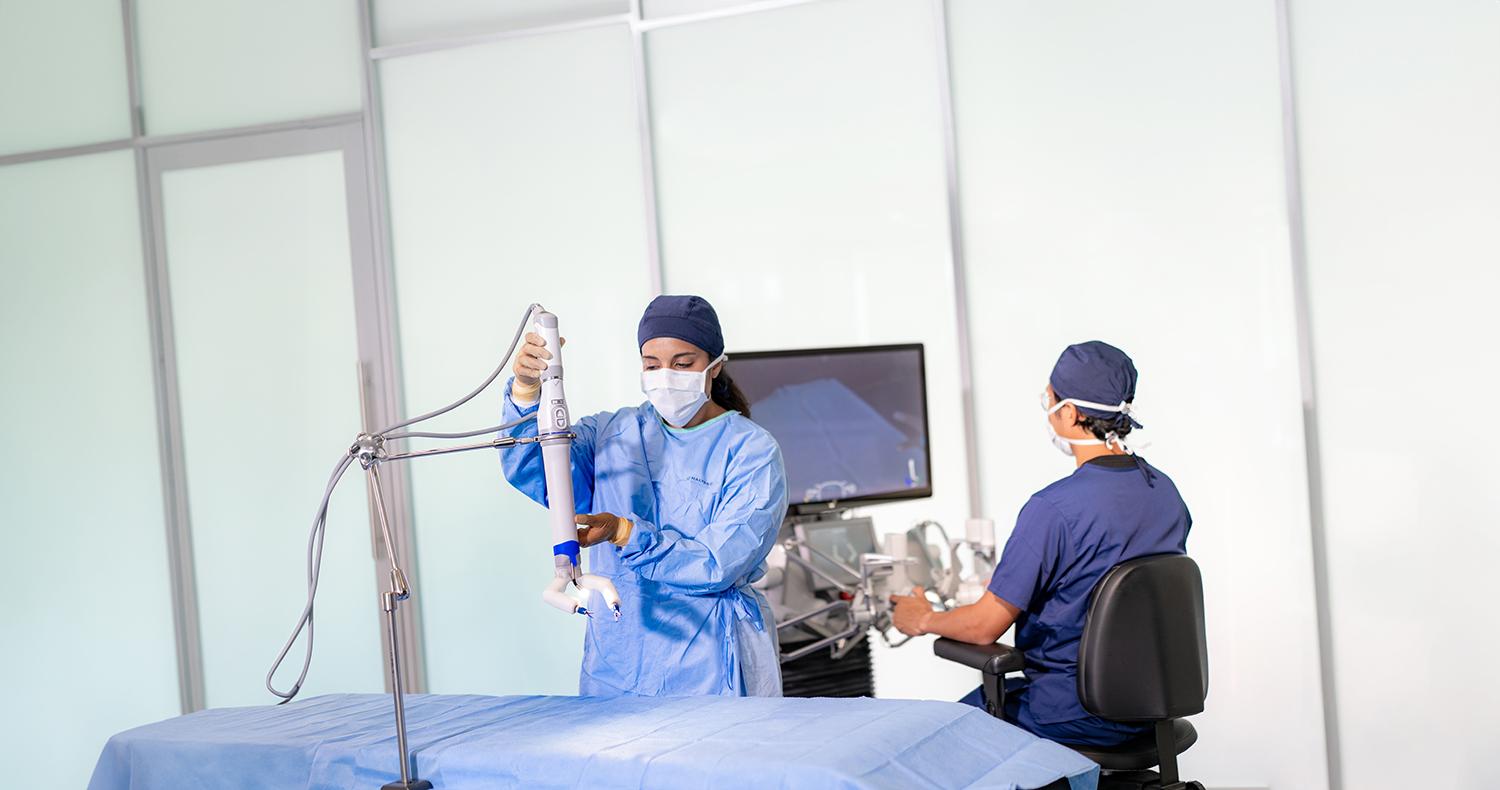
The 1DROP Health Monitoring Platform only requires a drop of blood and about 15 minutes to analyze samples for diabetes and cardiovascular, kidney, and thyroid disease. Credit: 1Drop Diagnostics US Inc.
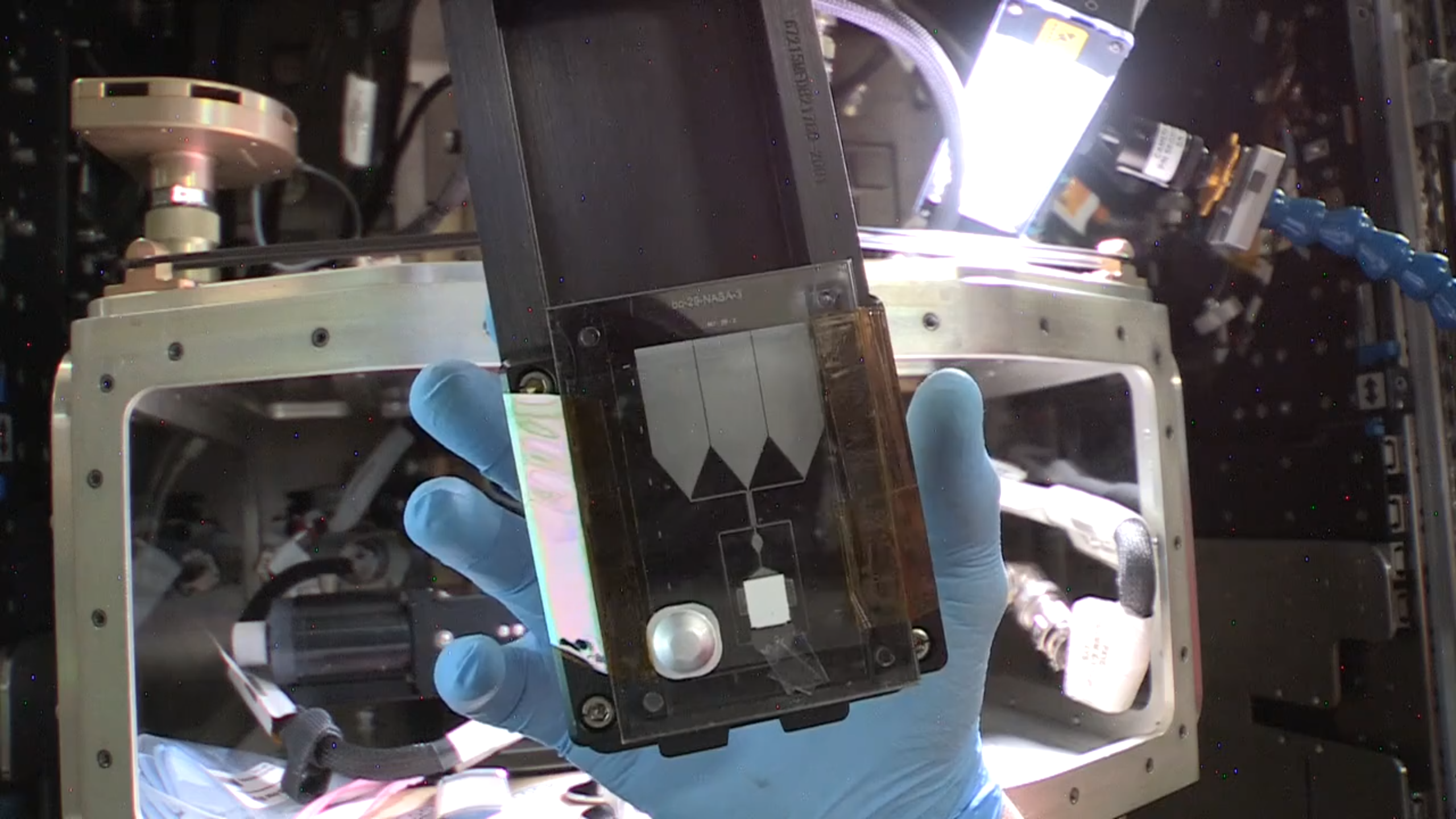
Aboard the International Space Station, Captain Christopher Cassidy tests the 1DROP chip created by 1Drop Diagnostics. Successfully counting blood cells and measuring protein-based biomarkers in microgravity means it might diagnose medical conditions on long-duration missions. Credit: 1Drop Diagnostics US Inc.
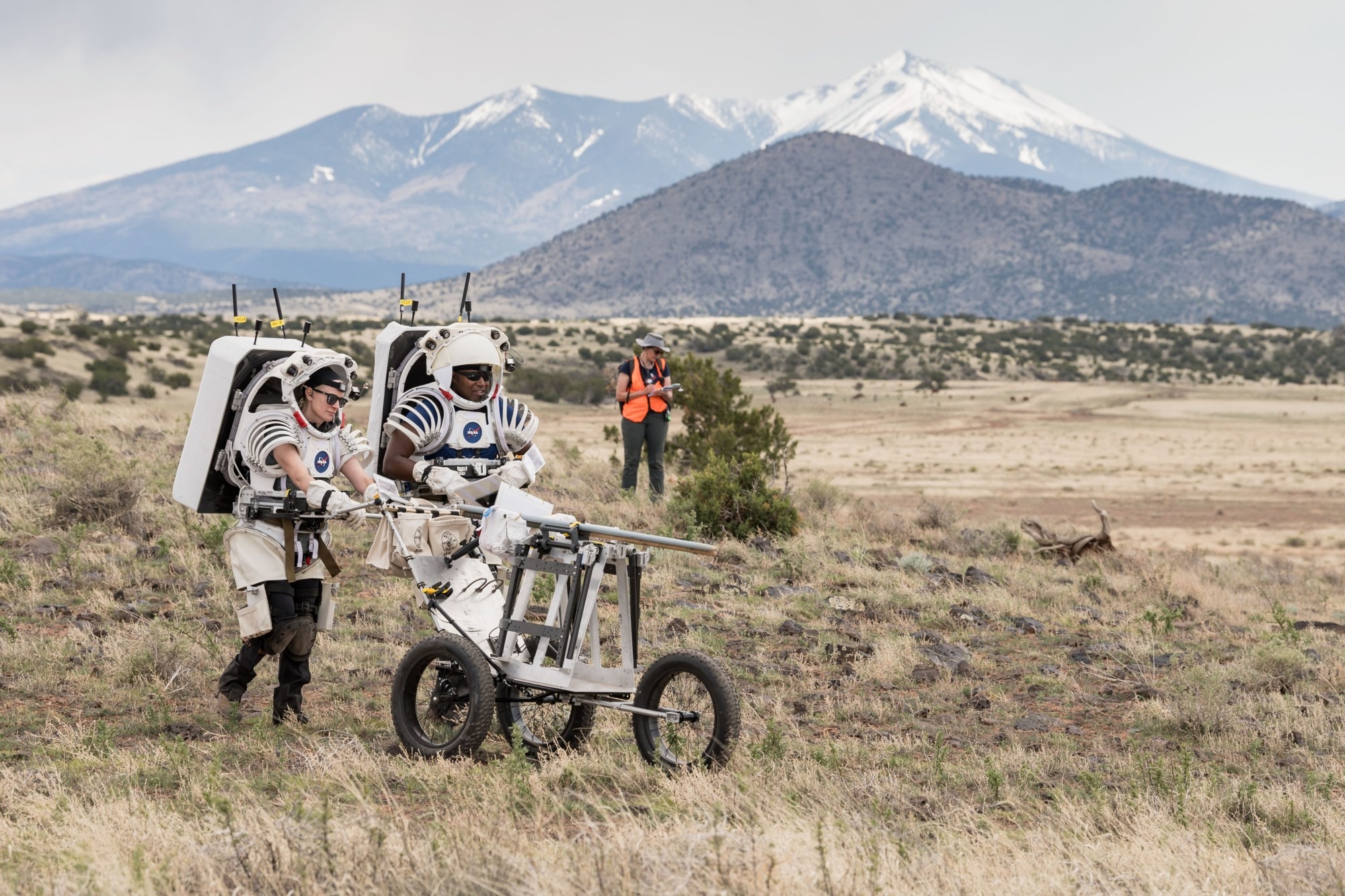
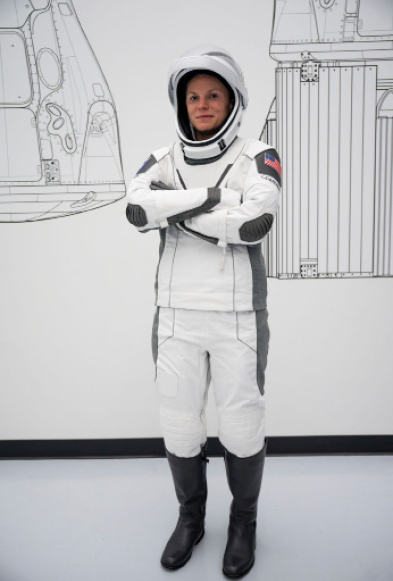
Astronauts Kate Rubins (left) and Andre Douglas practice Moon-walking operations in preparation for Artemis III. NASA is preparing for long-term deep space missions in part by testing portable health diagnostic tools to ensure a quick medical diagnosis for astronauts. Credit: NASA
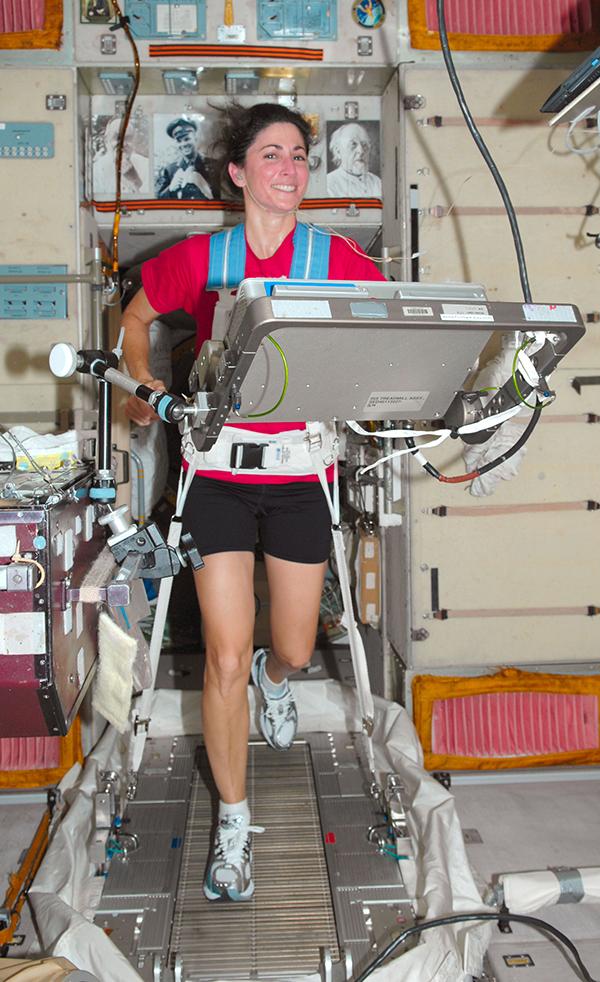
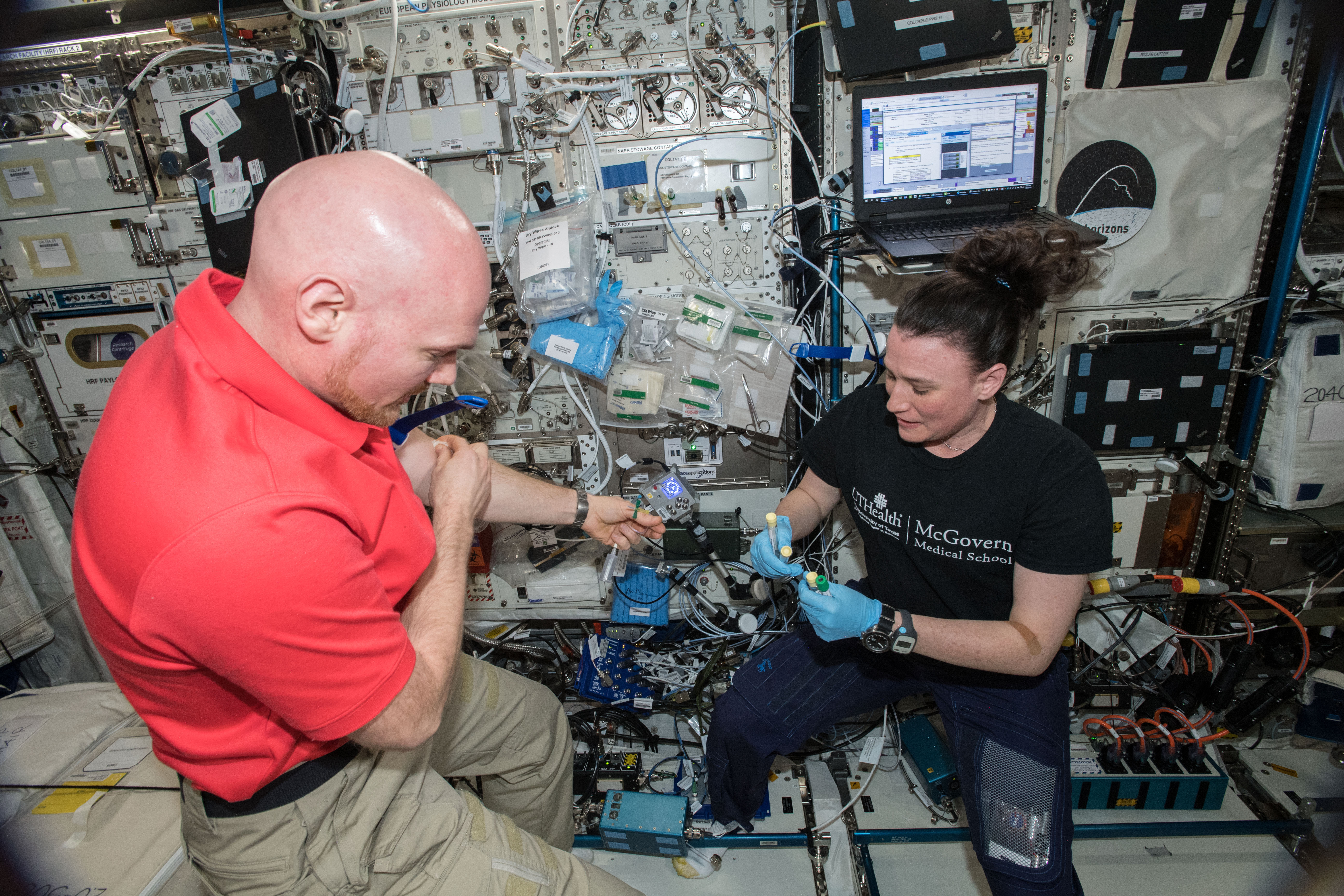
Instead of collecting vials of blood to send to Earth for testing, as astronauts Alexander Gerst and Serena Auñón-Chancellor are doing here, people on the Moon will need a way to do their own tests. The 1DROP Health Reader proved it can do that just as well in space as it performs on Earth. Credit: NASA